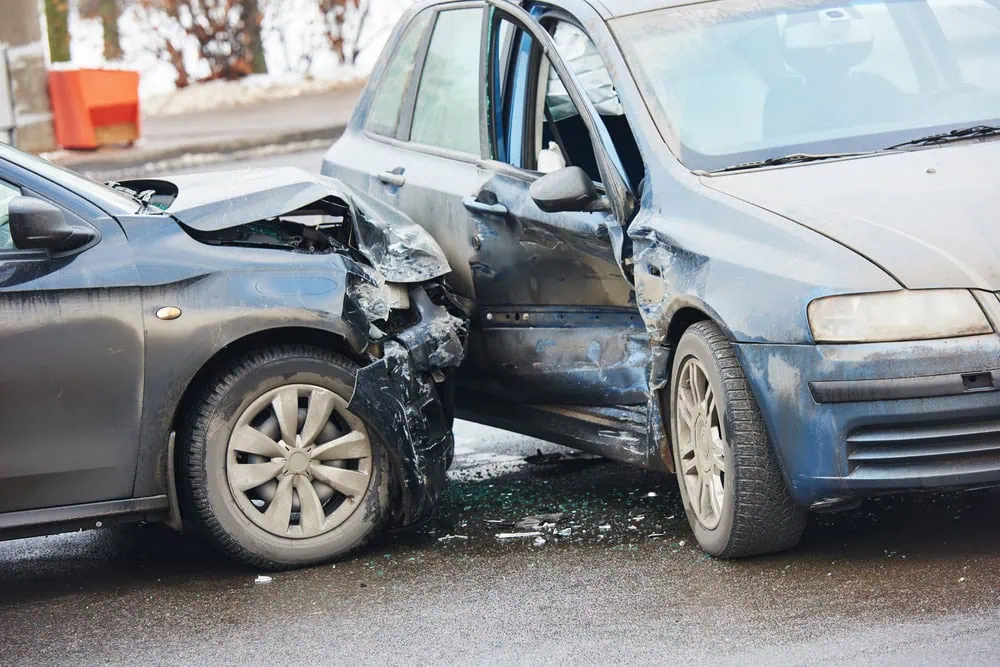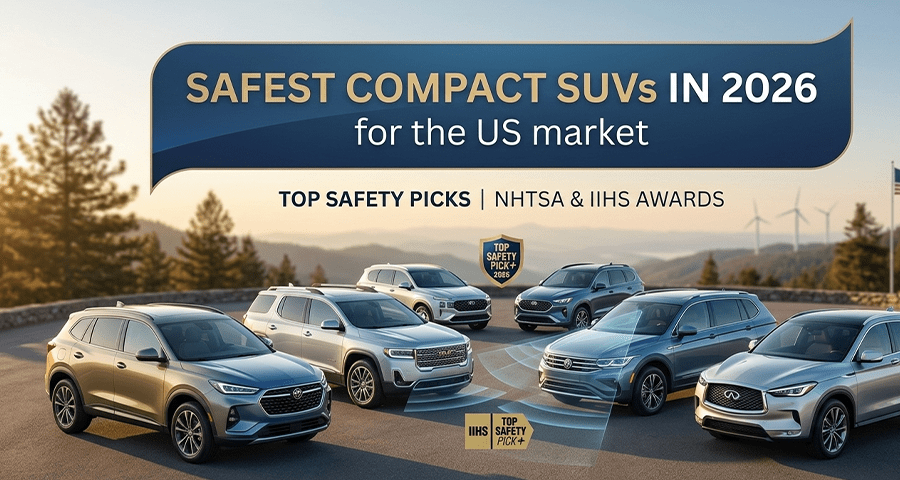
The landscape of automotive safety in the US has undergone a dramatic shift. If you are shopping for a new vehicle, the safety metrics you relied on just a few years ago have changed.
The Insurance Institute for Highway Safety (IIHS) significantly toughened its crash-test standards, forcing automakers to fundamentally rethink how they protect passengers.
The biggest change? A strict new emphasis on rear-seat safety and pedestrian crash avoidance. In the past, crash test dummies were primarily placed in the front seats; today, vehicles must successfully protect smaller occupants and children belted into the second row to earn top honors.
Because of these stricter rules, the list of elite winners has narrowed, but it has also revealed clear standouts across multiple budget tiers.
The Gold Standard: 2026 IIHS Top Safety Pick+ Winners
To secure the coveted Top Safety Pick+ (TSP+) designation, a vehicle must achieve a “Good” rating in all primary crash evaluations, including the updated moderate overlap front and side tests, while offering standard, high-performing pedestrian crash prevention technology.
Budget-Friendly Leaders (Under $30,000)
A high safety rating is no longer a luxury exclusive to premium price points. Several highly accessible sedans and hatchbacks aced the updated evaluations.
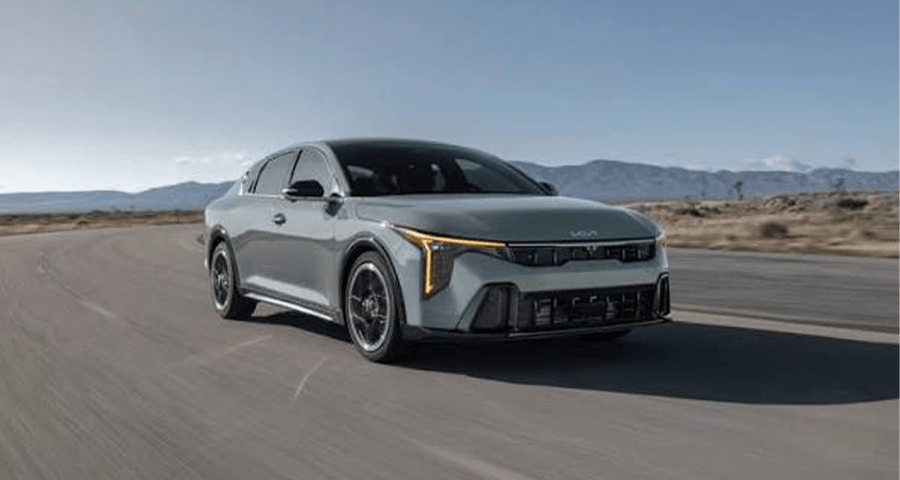
Kia K4: Holding the distinction as one of the least expensive vehicles to earn a TSP+ rating, this compact sedan proves that elite structural safety can start at a competitive price.
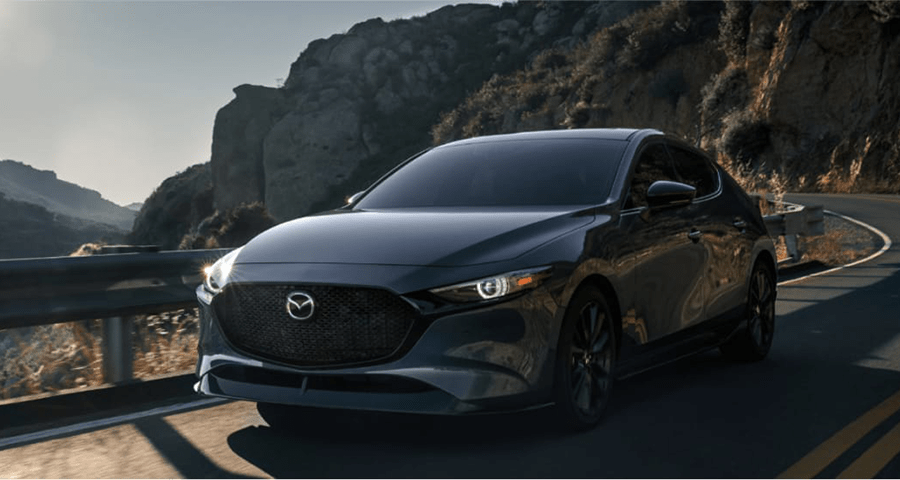
Mazda 3 (Sedan & Hatchback): Mazda continues its streak of safety dominance, offering robust standard driver-assist suites across its entry-level lineup.
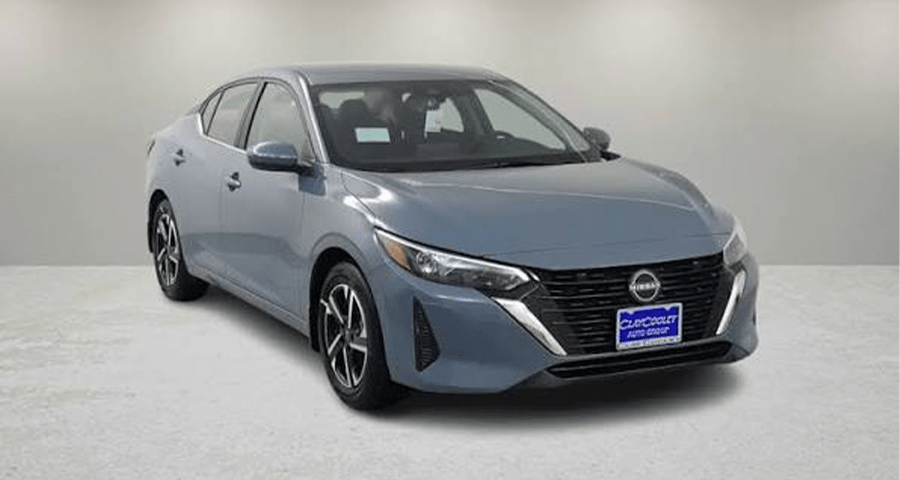
Nissan Sentra: Benefiting from a redesigned architecture, the Sentra outperformed many historic rivals in recent small-car crash iterations.
Midsize & Family Sedans
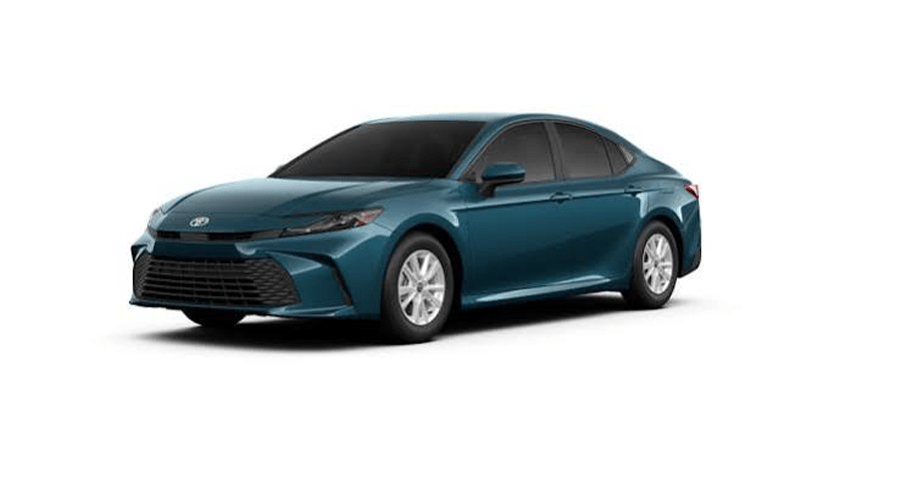
Toyota Camry: The completely refreshed hybrid Camry continues its legacy of safety, matching elite crash performance with standard Toyota Safety Sense 3.0.
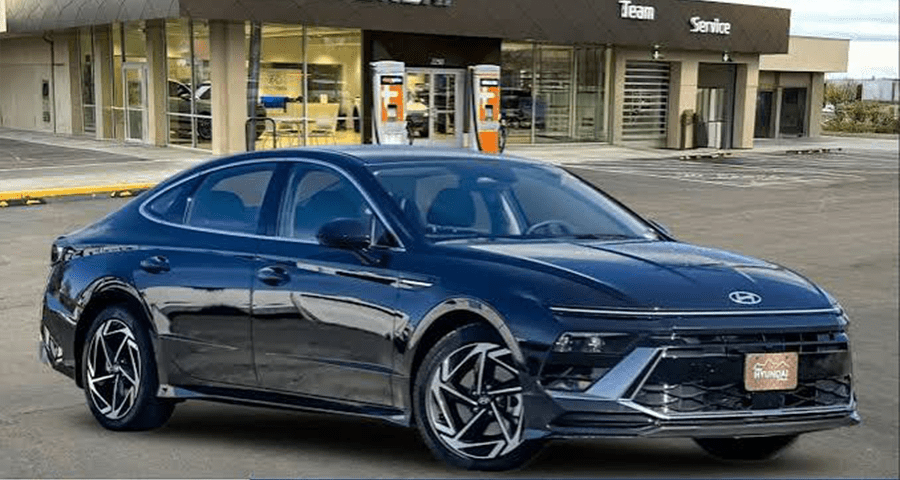
Hyundai Sonata: Featuring a rigid chassis layout that handles lateral impacts incredibly well, the Sonata secured its position firmly at the top of the midsize tier.
Family SUVs & Crossovers
SUVs dominate the modern safety charts, providing larger crumple zones and higher ride heights that naturally aid in multi-vehicle collisions.
- Small SUVs: The Honda HR-V, Hyundai Kona, Subaru Forester, and Kia Sportage all adapted quickly to the stricter second-row restraint rules, providing excellent protection for younger passengers in the back.
- Three-Row Haulers: For larger families, the Hyundai Palisade, Kia Sorento, and Nissan Pathfinder stand out. Notably, the Palisade cleared the updated vehicle-to-vehicle front crash prevention criteria, which simulates highway-speed encounters with commercial semi-trailers and motorcycles.
The Electric Vehicle (EV) Frontier
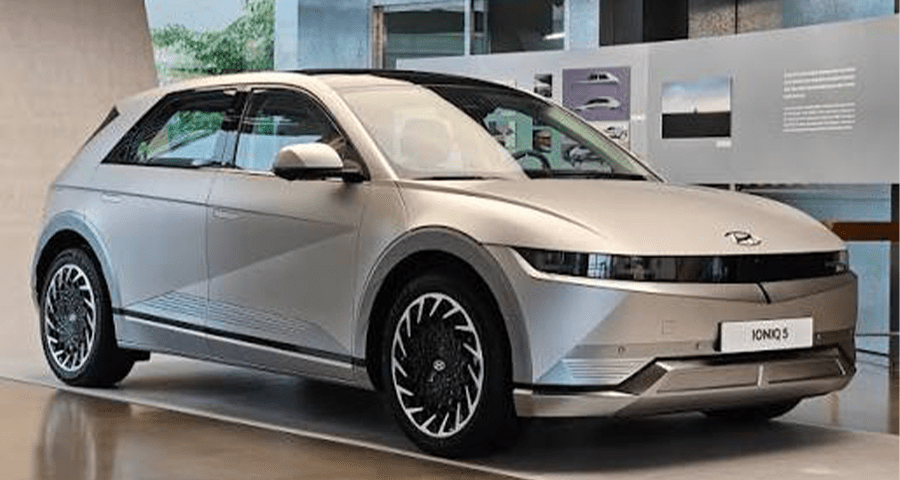
Heavy battery packs alter the physics of a crash, requiring specialized engineering to manage kinetic energy. These EVs stepped up to the plate:
Notable Trends & Shocking Omissions
The Minivan Slump
Minivans are historically marketed as the ultimate family haulers, but not a single minivan earned a Top Safety Pick+ award under the current criteria.
Most models continue to struggle with rear-seat dummy metrics, where seatbelts allowed too much chest or abdominal movement during frontal impacts.
Additionally, full-size pickup trucks struggled to meet the strict criteria. Only two major pickups managed to pierce the safety ranks: the Tesla Cybertruck (securing a Top Safety Pick+) and the Toyota Tundra Crew Cab (earning a Top Safety Pick).
What to Look for Beyond the Label
When you are signing the paperwork on a new car, remember that the safest vehicle isn’t just the one that survives a crash; it’s the one that prevents it entirely. Prioritize models that offer these standard systems:
- Pedestrian Automatic Emergency Braking (AEB): Systems that actively detect bicycles, pedestrians, and cross-traffic even in low-light conditions.
- Updated LATCH System Ease-of-Use: If you are installing car seats, check the vehicle’s specific IIHS rating for LATCH hardware accessibility; a safely installed seat is just as critical as a rigid steel frame.