All-Season Tires
Are You Buying The Best All-Season Tires in 2026? Check These Out
An all-season tire is designed to provide reliable performance throughout the year in a wide range of weather conditions, including dry roads, wet pavement, light snow, and moderate temperatures.
24/7 Roadside Assistance
(866) 890-7355
Rather than excelling in one specific area, all-season tires are engineered to balance comfort, tread life, fuel efficiency, and traction. This makes them the most common tire type found on passenger cars, crossovers, SUVs, and light trucks.
All-season tires combine features from both summer and winter tires to deliver year-round usability.
The rubber compound remains flexible across a broader temperature range than summer tires. This allows the tire to perform adequately in both hot and cool weather.
When analyzing the all-season tire market by a combination of retail sales data, major consumer aggregate reviews, and independent 2026 test matrices (such as Consumer Reports), the market divides into three distinct tiers.
A handful of standout tires dominate sales charts because they successfully solve specific driver frustrations, whether that is tread longevity, severe winter weather, or sporty handling.
Buy Original All-Season Tires From DriveSafe


Book Online
6 of the Best All-Season Tires You Can Buy Right Now
Standard Grand Touring All-Season (The Sales Giants)
Best for: Commuters, family crossovers, sedans, and minivans prioritizing maximum mileage, noise control, and daily ride comfort.
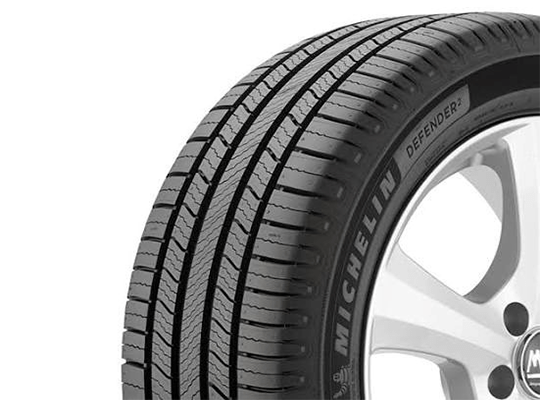
1. Michelin Defender2
The undisputed sales heavyweight of North America. Consumer reviews consistently praise the Defender2 for doing exactly what it promises on the box: lasting forever. In Consumer Reports’ 2026 testing, the Defender2 outlasted its closest premium competitors by over 25,000 miles, projecting an actual tread life of over 90,000 miles.
- Why it sells: The incredible 80,000-mile warranty gives buyers peace of mind. It is routinely voted the quietest highway tire in consumer aggregate surveys.
- The Catch: It commands a premium price tag, handles with a slightly stiffer ride quality, and is only rated for light/moderate snow.
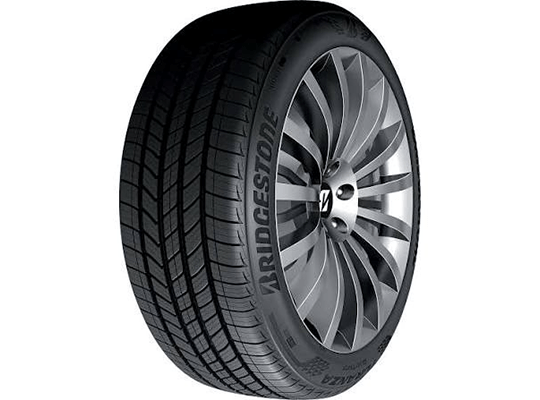
2. Bridgestone Turanza QuietTrack / EverDrive
Bridgestone’s top-selling luxury touring lines are the main alternative to Michelin. Consumer reviews heavily favor these for absorbing harsh road vibrations and pothole impacts better than the Defender.
- Why it sells: Drivers who find Michelins too stiff buy the Turanza line for its cloud-like ride quality and deep-groove wet weather security.
- The Catch: Tread life wears down slightly faster than the Defender line in real-world commuter tracking.
All-Weather All-Season (The Fastest Growing Category)
Best for: Drivers who live in the snow belt but do not want to hassle with changing into dedicated winter tires every November
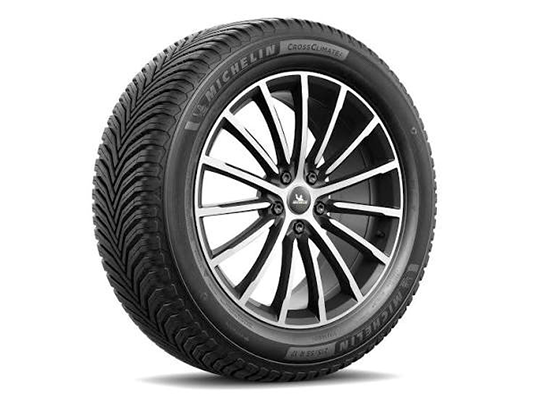
3. Michelin CrossClimate2
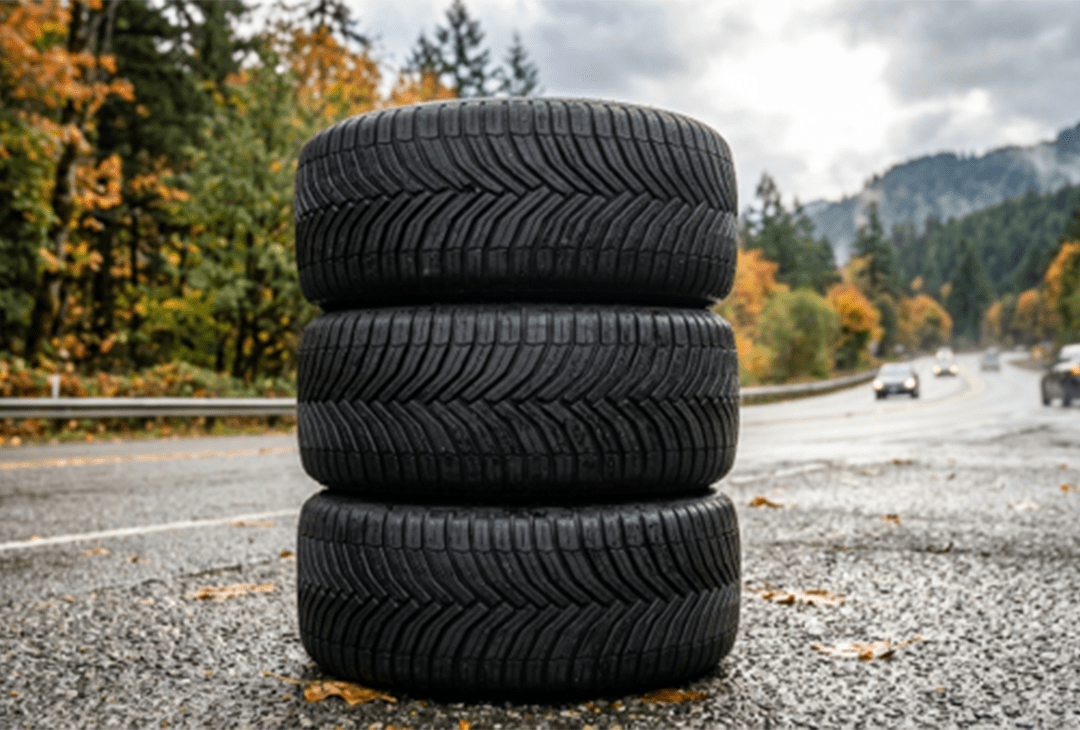
The CrossClimate2 is a retail phenomenon. Its distinctive, aggressive “V-shaped” directional tread design makes it instantly recognizable, and it dominates sales in northern states. Unlike standard all-season tires, it features the 3PMSF (Three-Peak Mountain Snowflake) symbol, meaning it is legally rated for severe snow service.
- Why it sells: Tens of thousands of five-star consumer reviews confirm it behaves like a true winter tire in the snow while driving like a quiet, sharp summer tire during July.
- The Catch: The directional tread pattern means it can only be rotated front-to-back (not side-to-side). It also suffers a minor 1% to 2% fuel economy/EV range penalty due to its aggressive grip blocks.
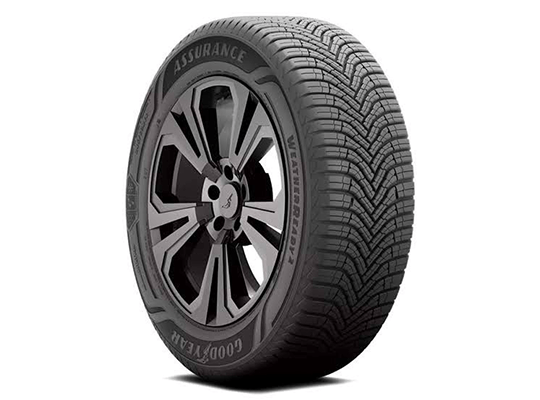
4. Goodyear Assurance WeatherReady 2
Goodyear’s direct answer to the CrossClimate2 has rocketed up the sales charts. It uses evolving traction grooves that widen as the tire wears down to maintain wet and snowy grip over time.
- Why it sells: It offers a slightly softer ride on rough city pavement compared to the rigid tread blocks of the Michelin CrossClimate2.
- The Catch: It generates a bit more prominent tread hum on grooved concrete highways.
Ultra-High Performance (UHP) All-Season
Best for: Sports sedans and enthusiast cars that require crisp cornering response but still need to drive through cold temperatures.
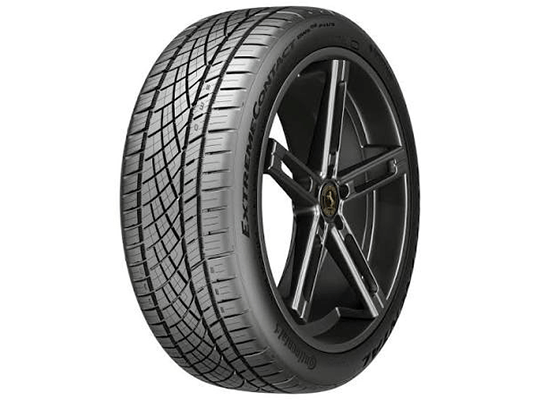
5. Continental ExtremeContact DWS06 Plus
The darling of enthusiast forums and a massive seller for sports cars (like the BMW 3-Series, Mustangs, and Golf GTIs). The “DWS” stands for Dry, Wet, and Snow – Continental molds these literal letters into the tread. When the “S” wears away, you know the tire is no longer optimal for snow.
- Why it sells: Unbeatable value-for-performance. It delivers 90% of the dry cornering grip of a dedicated summer tire but tracks beautifully through heavy downpours and slush.
- The Catch: The sidewalls are slightly soft, which yields great ride comfort but loses a tiny bit of immediate steering crispness off-center.
6. Michelin Pilot Sport All Season 4
The factory-installed choice for cars like the Corvette, meaning its sales volume is propped up heavily by premium OEM (Original Equipment) replacements.
- Why it sells: It features razor-sharp steering response and incredible dry track pacing for an all-season tire.
- The Catch: It is expensive, features a shorter 45,000-mile warranty, and rides firmly.
Consumer-Driven Breakdown
If Your Main Priority Is… | The Best Consumer-Reviewed Pick | The Budget-Friendly Alternative |
Highest Possible Mileage / Longevity | Michelin Defender2 | |
Heavy Snow / Year-Round Confidence | Michelin CrossClimate2 | |
Crisp Handling / Spirited Driving | Continental ExtremeContact DWS06+ | |
Plush Comfort & Highway Quietness | Bridgestone Turanza line |
Â
A Quick Reminder
Summer tires use specialized rubber compounds that harden and lose traction when temperatures drop below 45°F (7°C).Â
If you live in an area with freezing winters, you will need a dedicated set of winter or cold-weather all-season tires to swap into when the season changes.