
Tire Brands
Need a List Of The Best Tire Brands of 2026? See Below
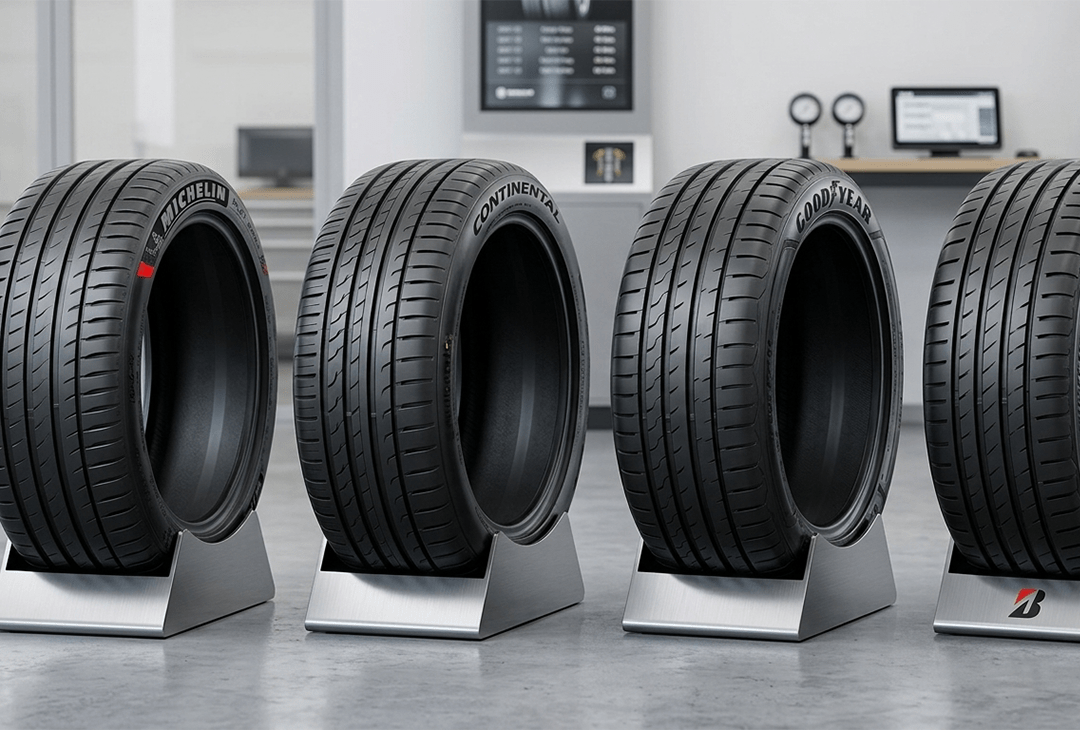
The top tier of the U.S. market continues to be dominated by four manufacturers that consistently capture the highest sales volumes and top consumer satisfaction metrics.
24/7 Roadside Assistance
(866) 890-7355
Here are The Best Tires of 2026 According to Sales and Buyer Reviews
Brand | Market Standing | Consumer Reputation | Standout 2026 Model |
Michelin | #1 Globally & U.S. Sales Leader | Unmatched longevity and owner loyalty; praised for “buy once, cry once” value. | |
Continental | Top 4 Sales; Major European OEM | The “smart premium” choice; praised for wet-weather braking and competitive pricing. | |
Goodyear | Top American Sales Giant | Ubiquitous retail presence; dominant in all-terrain, truck, and reliable daily commuter lines. | |
Bridgestone | #2 Globally; Massive U.S. Footprint | Elite rubber compounds; highly rated for quiet cabin comfort and advanced safety tech. |
Book Online
What the Reviews Say About Each Brand

1. Michelin: The Gold Standard for Longevity
Michelin remains the Golden Wrench winner across major automotive evaluation boards in 2026. While they carry a premium price tag (often starting around $150 to $200+ per tire), consumer reviews heavily favor them because they actually deliver on tread life.
- The Consumer Verdict: In long-term testing against direct competitors, the Michelin Defender2 frequently clocks an estimated tread life nearing 90,000 – 100,000 miles, which is nearly double that of some budget counterparts.
- The Caveat: They require a steep upfront investment.

2. Continental: The Performance & Value Sweet Spot
Continental has positioned itself brilliantly as the direct challenger to Michelin, often matching premium performance at a slightly friendlier price point.
- The Consumer Verdict: Drivers praise Continental for superior wet-weather handling and responsive steering. The ExtremeContact DWS06 Plus is widely regarded by enthusiasts as the best ultra-high-performance (UHP) all-season tire on the market for sports cars and sporty sedans.
- The Caveat: They generally offer slightly lower tread-life warranties compared to Michelin’s top-tier commuter lines.

3. Goodyear: The Off-Road and All-Weather Heavyweight
As an American icon, Goodyear relies on an incredibly robust domestic supply chain and massive OEM (factory-installed) partnerships.
- The Consumer Verdict: While their standard commuter tires get solid, reliable reviews, Goodyear completely shines in the truck and SUV segment. The Wrangler line – especially variants reinforced with DuPont Kevlar – frequently tops consumer charts for durability on mixed and rugged terrains. Their newer Assurance WeatherReady 2 is also highly rated for handling unpredictable city winters.
- The Caveat: Some entry-level commuter lines receive average marks for road noise as they age.

4. Bridgestone: The King of Quiet Comfort & Winter Grip
Bridgestone commands a massive chunk of the U.S. market, largely due to their engineering focus on high-quality rubber compounds that maximize contact with the road.
- The Consumer Verdict: Reviewers consistently mention how quiet and smooth their highway ride becomes after switching to Bridgestone’s Turanza line. Furthermore, for drivers in the snow belt, Bridgestone’s Blizzak series remains the undisputed king of ice and snow traction.
- The Caveat: High rolling resistance on certain performance models can slightly impact fuel economy.
Notable Alternates: Value & Performance Challengers
If you look outside the “Big Four,” a few other brands are stealing significant market share in 2026 due to strong niche reviews:
- Pirelli: The go-to choice for luxury and supercar owners. The P Zero series is highly rated for high-speed tracking and precision steering, though tread life is notoriously short.
- Hankook: Rapidly rising in U.S. popularity as an exceptional value brand. The Hankook Kinergy XP has won multiple 2026 expert testing awards for offering premium all-season capabilities at a mid-tier price.
- Yokohama / Toyo: Highly trusted Japanese alternatives that dominate the tuner, crossover, and light-truck enthusiast spaces (particularly Toyo’s Open Country off-road line).
Be on the Know
Quick Tips on Tire Shopping
Account for Installation "Hidden" Fees
When comparing prices online, the sticker price is rarely what you actually pay out the door. Always factor in the cost of installation, which usually includes mounting and balancing, new valve stems (or TPMS sensor rebuilds), tire disposal fees, and local taxes. Many retailers offer free lifetime rotations and flat repairs if you buy the full set from them.
Shop by Category, Not Just Brand
Brand reputation matters, but tire category matters more. Premium summer performance tires from Michelin will perform terribly in a snowstorm compared to mid-tier all-season tires from Hankook. Always match the specific tire model to your local climate and driving habits.
Decode the Sidewall Markings
Your current tire has its size and specifications stamped right on the side (e.g., P215/65R15 95H). Beyond the size numbers, pay close attention to the Speed Rating (the letter at the end, like H, V, or Z) and the Load Index (the number, like 95). Dropping below your vehicle manufacturer's recommended speed or load ratings can negatively impact your car's handling and safety.
Check the "Born On" Date
Tires age and degrade even if they are just sitting on a shelf. Look for the DOT code on the sidewall - the last four digits tell you exactly when the tire was made. For example, a code ending in 2426 means the tire was manufactured in the 24th week of 2026. Avoid buying "new" tires that have been aging in a warehouse for more than a few years.
Factor in the UTQG Ratings
The U.S. government requires manufacturers to grade tires on Uniform Tire Quality Grading (UTQG) standards. You will see a Treadwear number (e.g., 600), a Traction grade (AA, A, B, or C), and a Temperature resistance grade (A, B, or C). A higher treadwear number means a longer-lasting tire compound under standard testing conditions.
See Also: How to read tire codes.
Pro Tip!
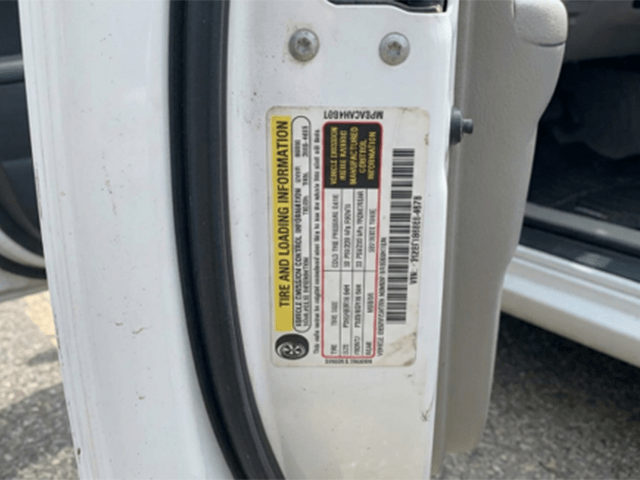
Always check your vehicle’s door placard (usually located on the driver-side door jamb) for the manufacturer’s exact recommended tire size and inflation pressures. Don’t just rely on the maximum pressure listed on the tire sidewall itself!
Let’s Get You Moving
Our mobile mechanics are always on standby 24/7 to attend to your tire emergencies.