
Louisiana’s transportation landscape is unlike any other in the nation. Defining elements like the sprawling Atchafalaya Basin, winding bayous, and coastal lowlands require a vast network of elevated bridges, swamp-spanning viaducts, and narrow rural routes.
While these engineering marvels keep the Pelican State connected, they leave drivers with razor-thin margins for error.
Heavy industrial shipping from major Gulf Coast ports, intense metropolitan congestion in New Orleans and Baton Rouge, and sudden, blinding tropical downpours create a highly volatile environment.
Because many of the state’s most heavily traveled corridors are elevated over water with zero shoulder space for recovery, getting stranded can quickly turn hazardous. Navigating these unique threats makes having a dependable roadside assistance plan an absolute necessity for anyone traversing Louisiana’s pavement.
According to data compiled by the National Highway Traffic Safety Administration (NHTSA) and the Louisiana Department of Transportation and Development (DOTD), the state routinely registers some of the highest traffic fatality rates per capita in the country.
Here is an in-depth breakdown of Louisiana’s most dangerous roadways.
1. Interstate 10 (I-10): The Transcontinental Freight Backbone
Spanning the entire width of the state from Texas to Mississippi, Interstate 10 connects Louisiana’s largest hubs, including Lake Charles, Lafayette, Baton Rouge, and New Orleans. It logs the highest raw number of fatal accidents in the state annually.
- The “Devil’s Triangle” (Baton Rouge): This notorious stretch approaching the Mississippi River Bridge features an influx of traffic from multiple tributary roads that tightly compresses into fewer lanes. The sudden bottleneck triggers hundreds of crashes and major delays every year.
- The Atchafalaya Basin Bridge: This 18-mile elevated twin span forces drivers over open water with narrow lanes and highly restricted shoulders. High crosswinds, wet pavement, and sudden traffic backups frequently lead to high-speed, chain-reaction rear-end collisions with nowhere for vehicles to pull off safely.
- The New Orleans Core: The 4.7-mile stretch of I-10 East in New Orleans (specifically between Exit 231A and Exit 239B) is repeatedly flagged by multi-year studies as one of the deadliest micro-segments in the state due to extreme congestion and aggressive lane-weaving.
2. US Highway 90 (US-90): The Uncontrolled Access Hazard
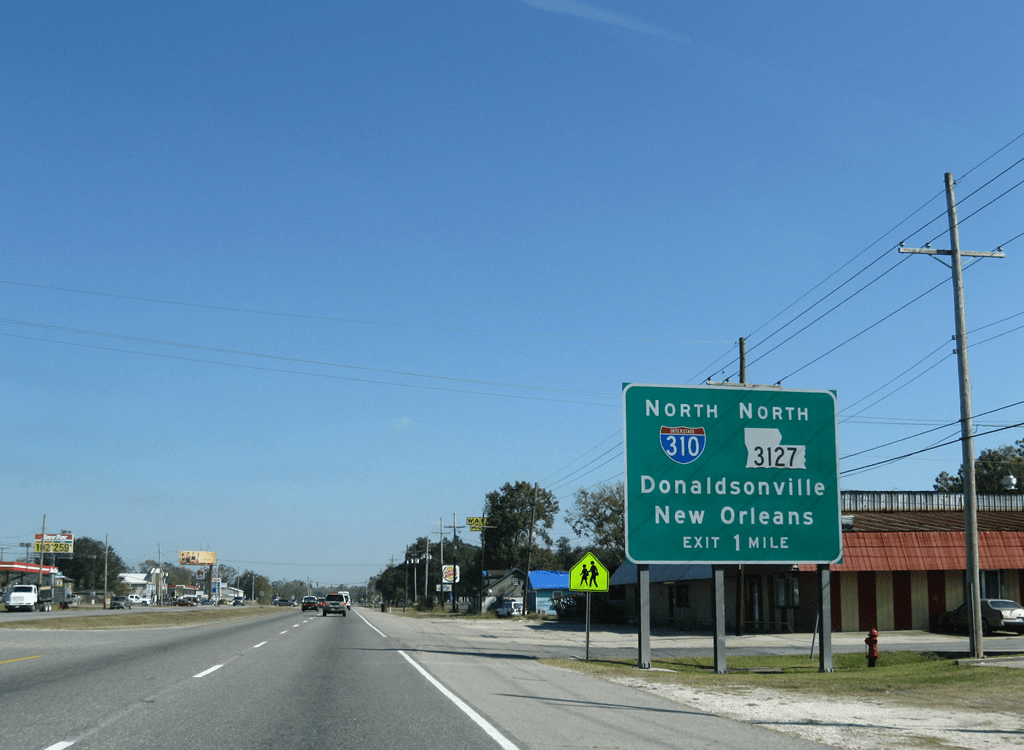
Running across South Louisiana from Lafayette down through Iberia, St. Mary, and St. Charles parishes before hitting New Orleans, US-90 is a vital shipping artery that safety studies frequently rank as one of the most dangerous non-interstate highways in America.
- The Access Point Problem: Unlike a traditional closed-access interstate, large sections of US-90 feature uncontrolled access. Drivers are constantly entering the high-speed roadway from local businesses, side roads, and residential crossovers.
- Sudden Friction: This layout forces constant, unexpected braking. Rear-end and side-impact (T-bone) collisions are exceptionally common as fast-moving freight trucks collide with local turning traffic.
3. Interstate 12 (I-12): The High-Velocity Bypass
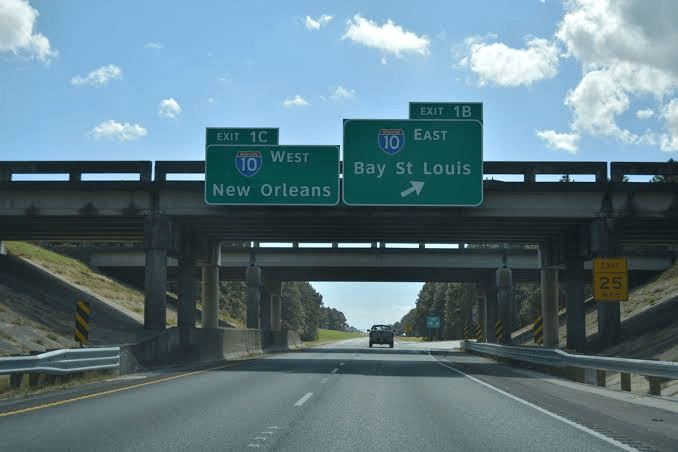
Spanning roughly 85 miles, I-12 serves as a northern bypass around Lake Pontchartrain, allowing cross-country travelers to skip the New Orleans metro area entirely as they move between Baton Rouge and Slidell.
- The I-10/I-12 Split Hotspot: The western terminus in Baton Rouge (especially between Exit 7 and Exit 4) is an incredibly tense traffic zone. Relentless commuter gridlock mixes with heavy interstate shipping, leading to severe lane-merging conflicts.
- Speed and Tailgating: Because I-12 is heavily utilized as a high-speed transit line, tailgating and aggressive driving behaviors cause a disproportionate number of high-impact multi-car pileups.
Statistical Overview: Louisiana’s Deadliest Transit Corridors
Multi-year tracking from federal and state safety agencies highlights the distinct structural and behavioral threats across Louisiana’s primary routes.
| Highway Corridor | Major Regional Hotspots | Primary Contributing Hazards |
| I-10 | Baton Rouge, New Orleans, Lafayette | Elevated bridge constraints, extreme congestion, heavy truck volume |
| US-90 | St. Mary, Iberia, & St. Charles Parishes | Uncontrolled intersections, abrupt speed changes, blind side turns |
| I-12 | Baton Rouge Core & St. Tammany Parish | Intense lane-weaving at major splits, high-speed tailgating |
| US-190 | North Shore (Hammond to Slidell) | Mixed commuter/freight traffic, complex local road layout |
| US-171 | Northwest Louisiana (Rural) | Two-lane configuration, lack of median barriers, head-on risks |
4. US Highway 190 (US-190): The North Shore Corridor
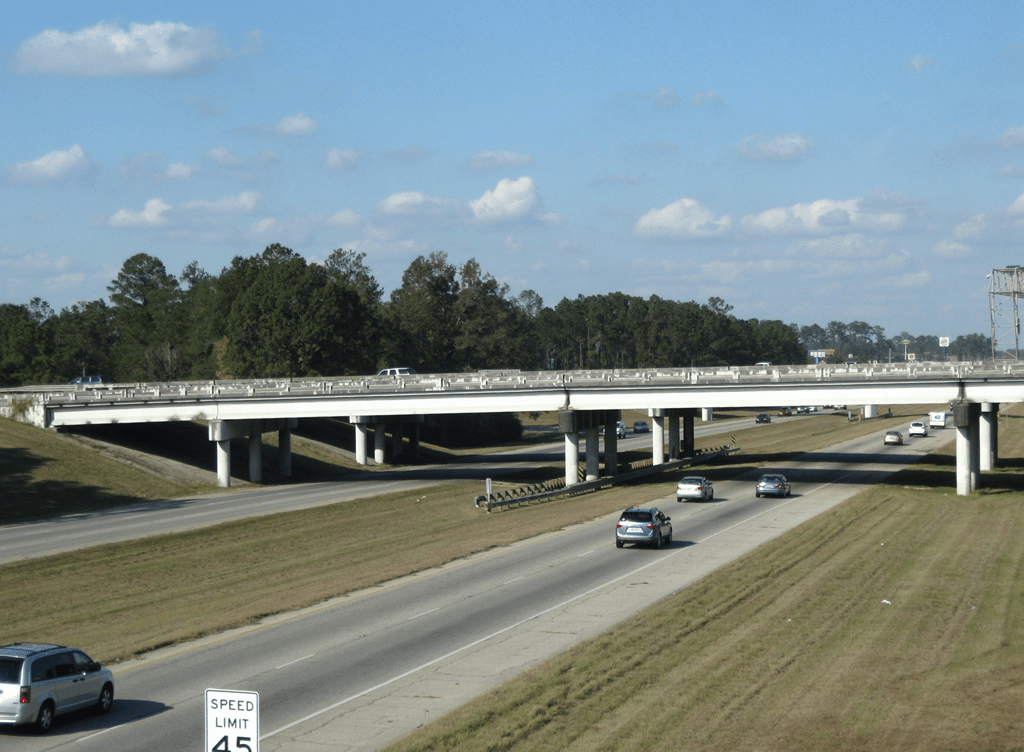
Running parallel to I-10 but positioned further north, US-190 spans the state from the Texas line to Slidell. It is heavily relied upon by big rigs, delivery vans, and local commuters.
- Structural Complexity: Passing through rapidly expanding communities like Denham Springs, Hammond, and Covington, US-190 acts as a hybrid between a high-speed rural highway and a congested commercial strip.
- The Collision Rate: Over multi-year analysis windows, specific segments (like the 5-mile stretch near Lobdell Avenue) experience elevated crash densities due to the frequent intersection conflicts and high-volume freight integration.
5. US Highway 171 & Louisiana Highway 1: Rural and Environmental Perils
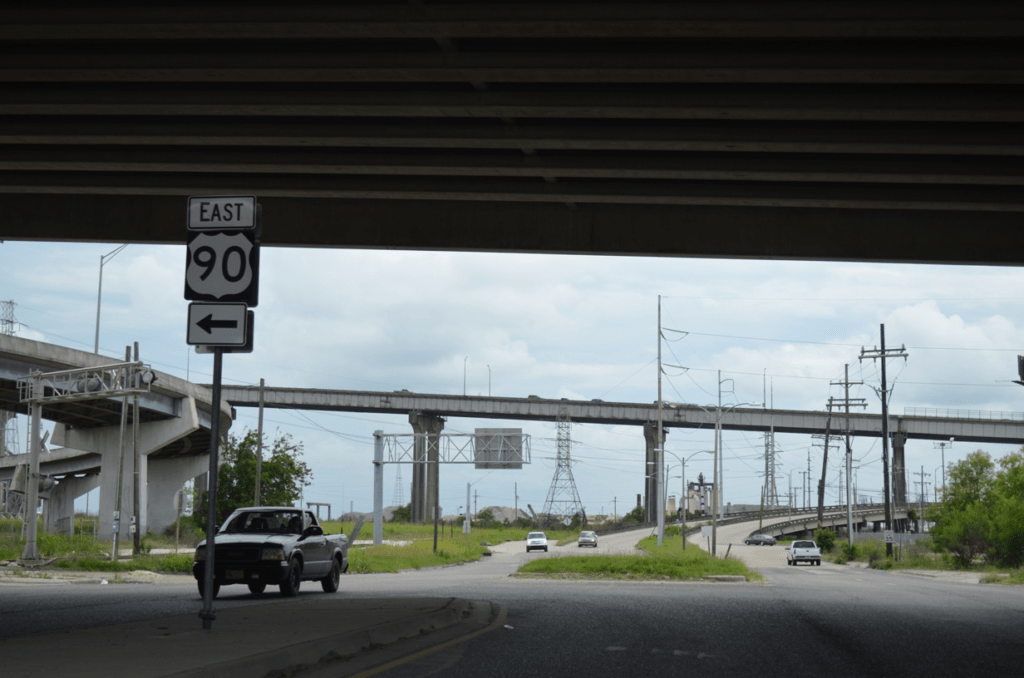
Away from the major interstate hubs, Louisiana’s rural and coastal roads present completely different styles of danger.
- US Highway 171 (Northwest LA): This rural corridor experiences an alarming rate of severe head-on collisions. Because it is a high-speed route with no physical median barriers separating oncoming traffic lanes, a brief moment of driver distraction or fatigue can have catastrophic results.
- Louisiana Highway 1 (LA-1): Serving low-lying coastal communities in the south, LA-1 is a narrow, undivided road heavily impacted by the environment. It is prone to sudden, severe tidal flooding and coastal storms that can completely eliminate visibility and render sections of the roadway impassable without warning
Stay Safe on Louisiana’s Most Dangerous Roads with DriveSafe Solutions
Louisiana’s highways can present unexpected challenges, from heavy interstate traffic and severe weather to rural roads and busy city corridors. A vehicle breakdown can happen at any time, so it’s smart to have a trusted roadside assistance provider ready before you need one.
DriveSafe Solutions offers affordable roadside assistance, emergency towing, mobile mechanic services, tire repair services, wrecker services, and winch out services throughout Louisiana and across the United States.
Keep our toll-free number, +1 (866) 890-7355, saved in your phone before your next trip. Our experienced team is available 24/7 to provide fast, dependable roadside assistance for flat tires, dead batteries, lockouts, accident recovery, and other roadside emergencies. One call to DriveSafe Solutions gets you back on the road safely, quickly, and at a price you can afford.