American freeways can seem confusing at first, but they’re actually built around a fairly logical numbering system. Once you understand a few rules, you can often tell where a highway goes just by looking at its number.
1. Interstate Highways (the roads with blue and red shields)

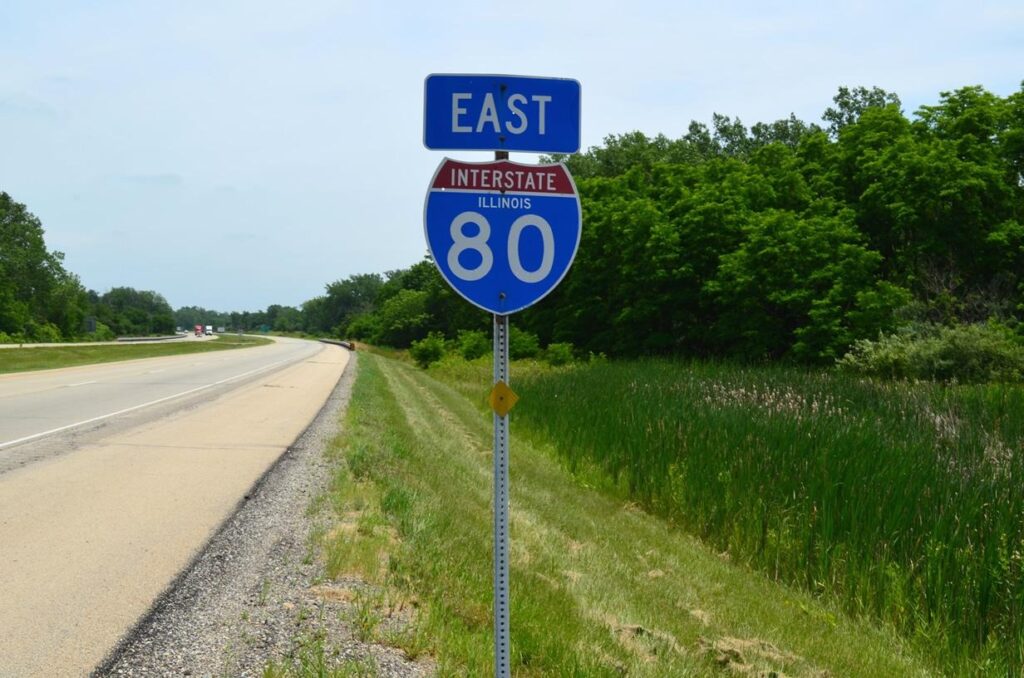
These are the primary highways that connect states across the country.
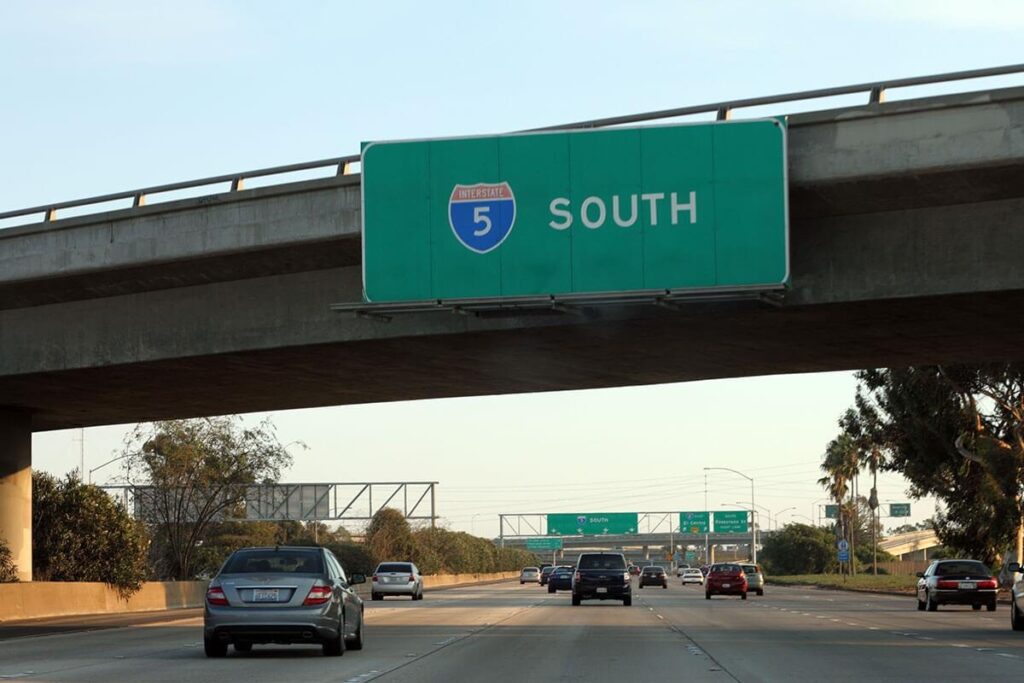
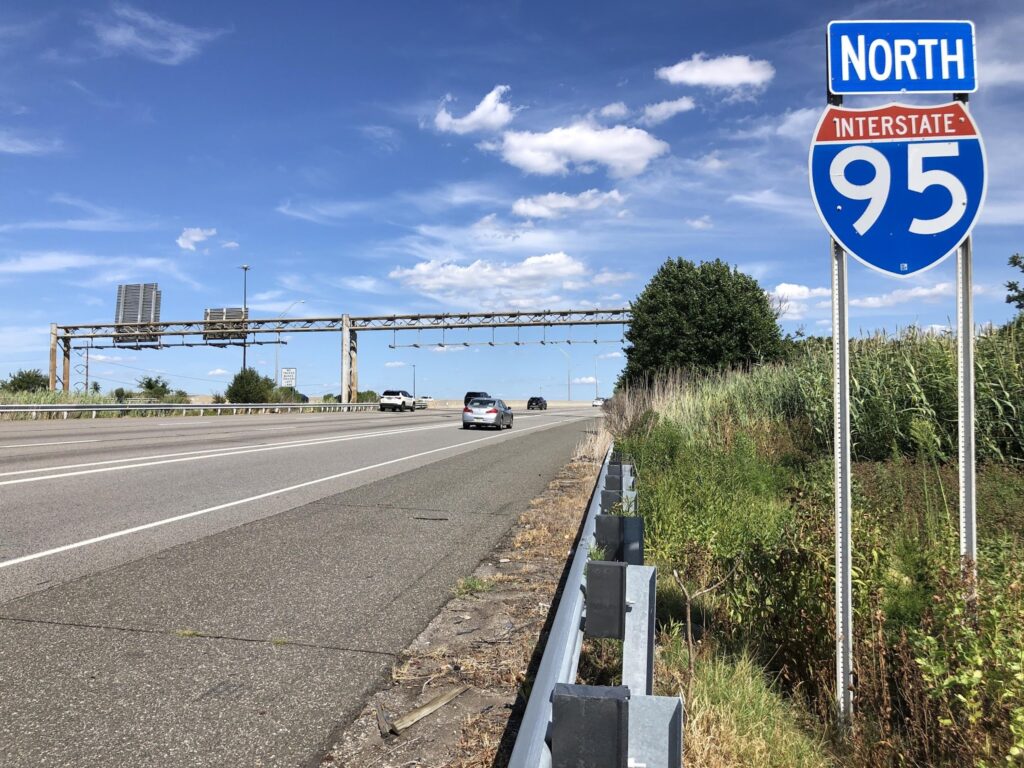
Odd-numbered Interstates (I-5, I-95, I-35)
- Run north to south
- Numbers increase from west to east
Examples:
- Interstate 5: Runs along the West Coast from California to Washington.
- Interstate 35: Runs through the middle of the country.
- Interstate 95: Runs along the East Coast from Florida to Maine.
Easy way to remember:
- Small odd numbers = western U.S.
- Large odd numbers = eastern U.S.
Even-numbered Interstates (I-10, I-40, I-80)
- Run east to west
- Numbers increase from south to north
Examples:
- Interstate 10: Southern U.S.
- Interstate 40: Mid-southern U.S.
- Interstate 80: Northern U.S.
2. Major Cross-Country Routes
The most important long-distance Interstates usually end in 0 or 5.
Examples:
- I-10
- I-20
- I-40
- I-70
- I-80
- I-90
North–south examples:
- I-5
- I-15
- I-35
- I-55
- I-75
- I-95
These typically span much of the country.
3. Three-Digit Interstate Numbers

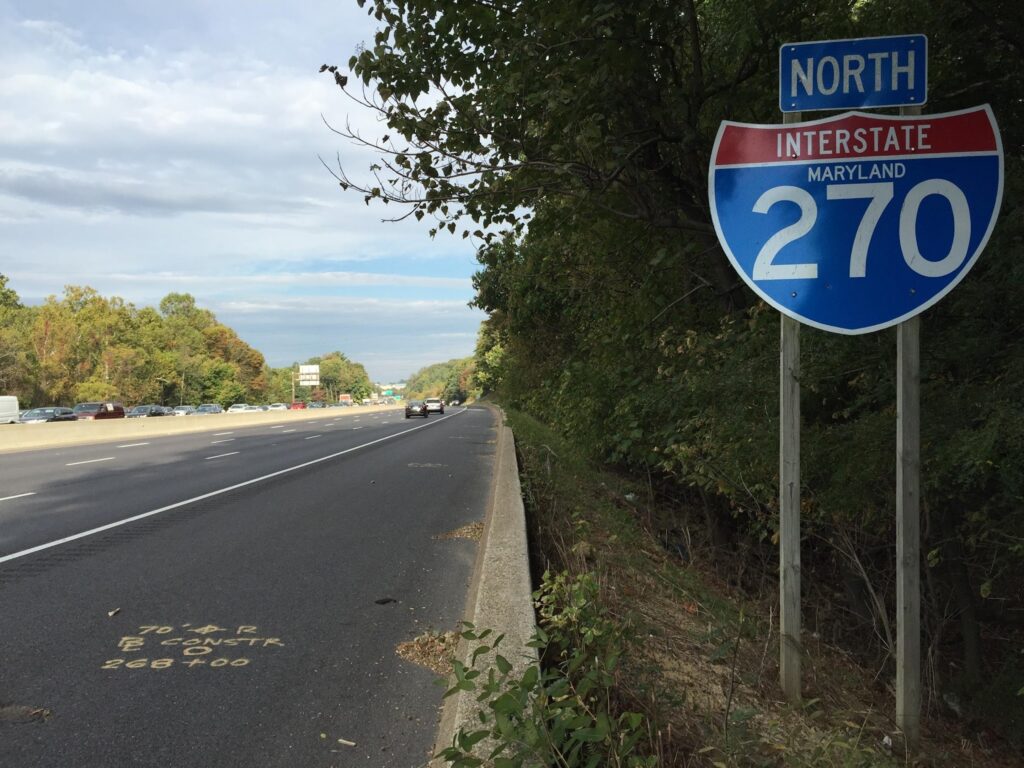
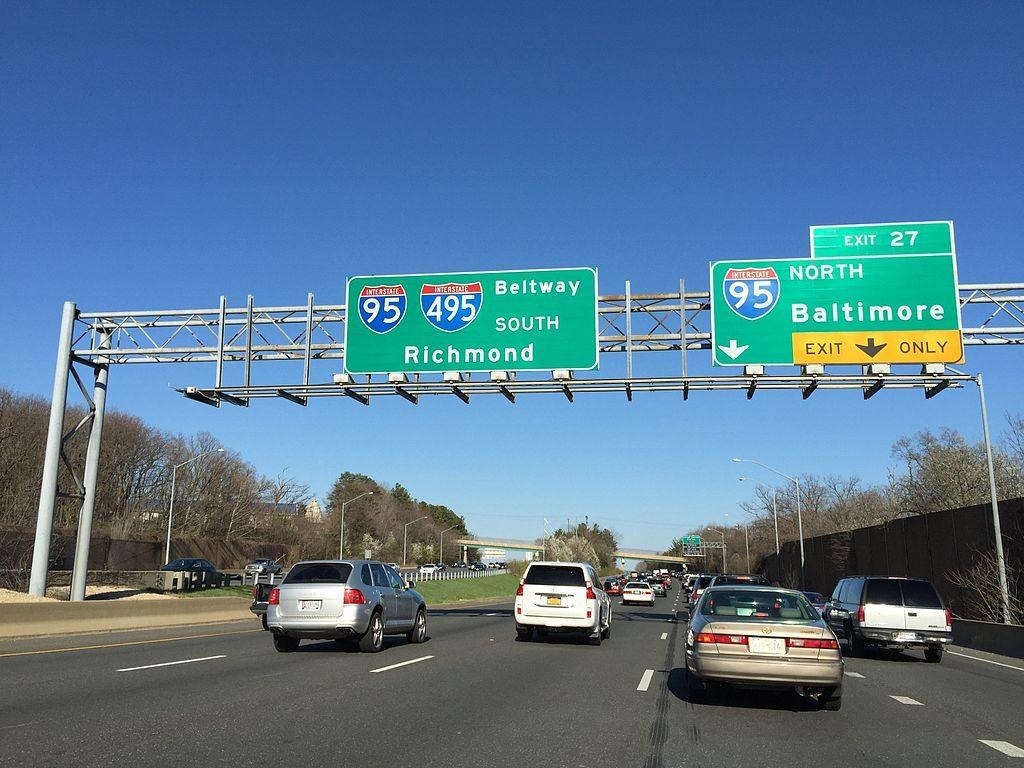
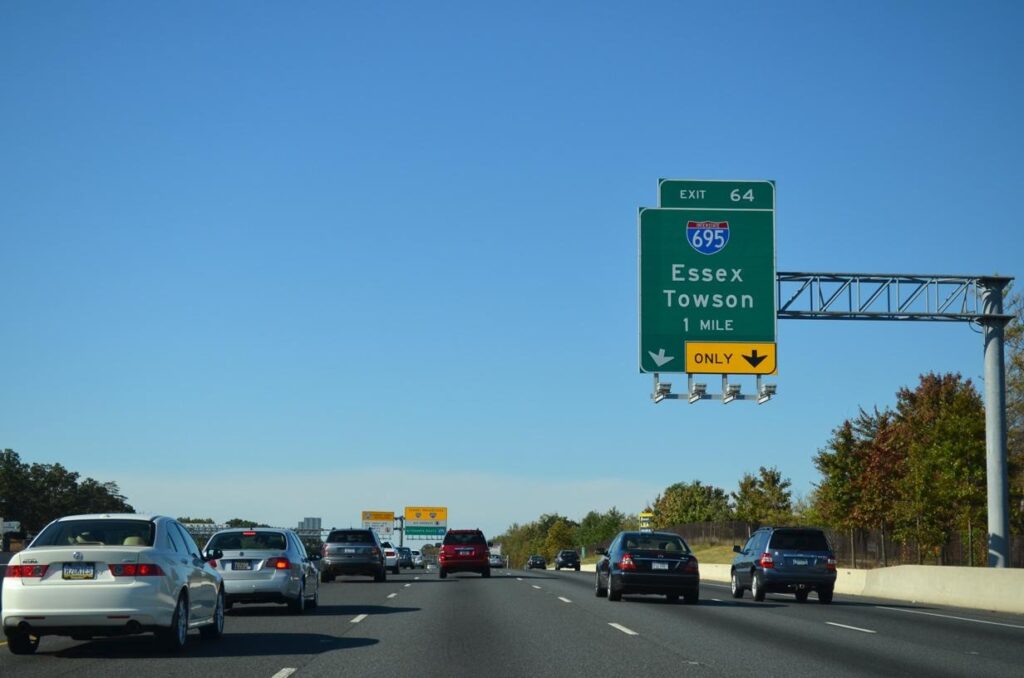

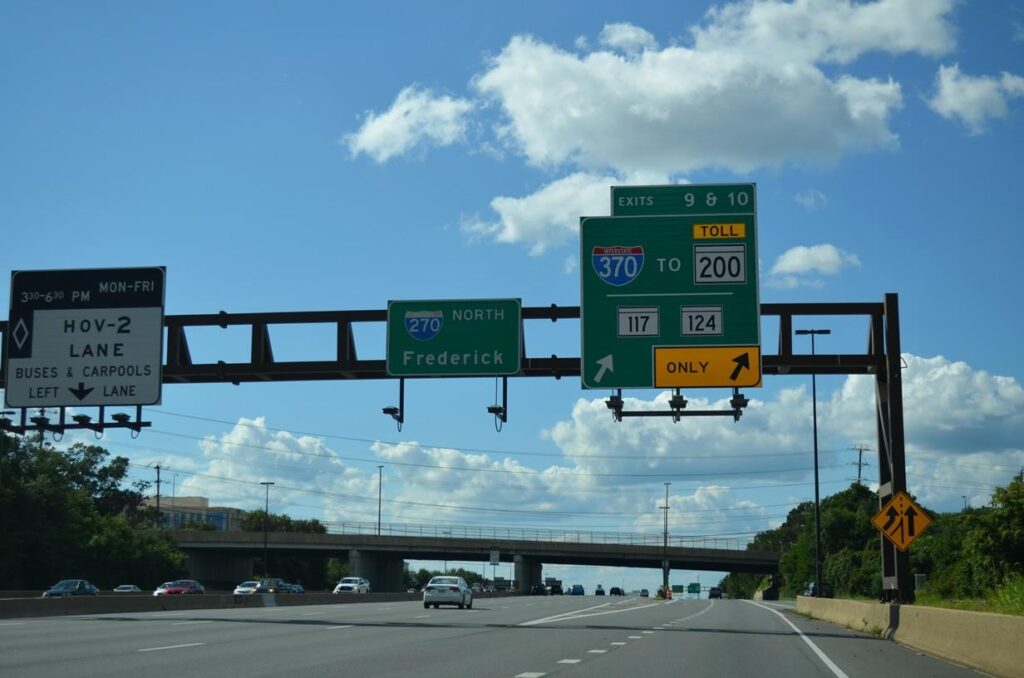
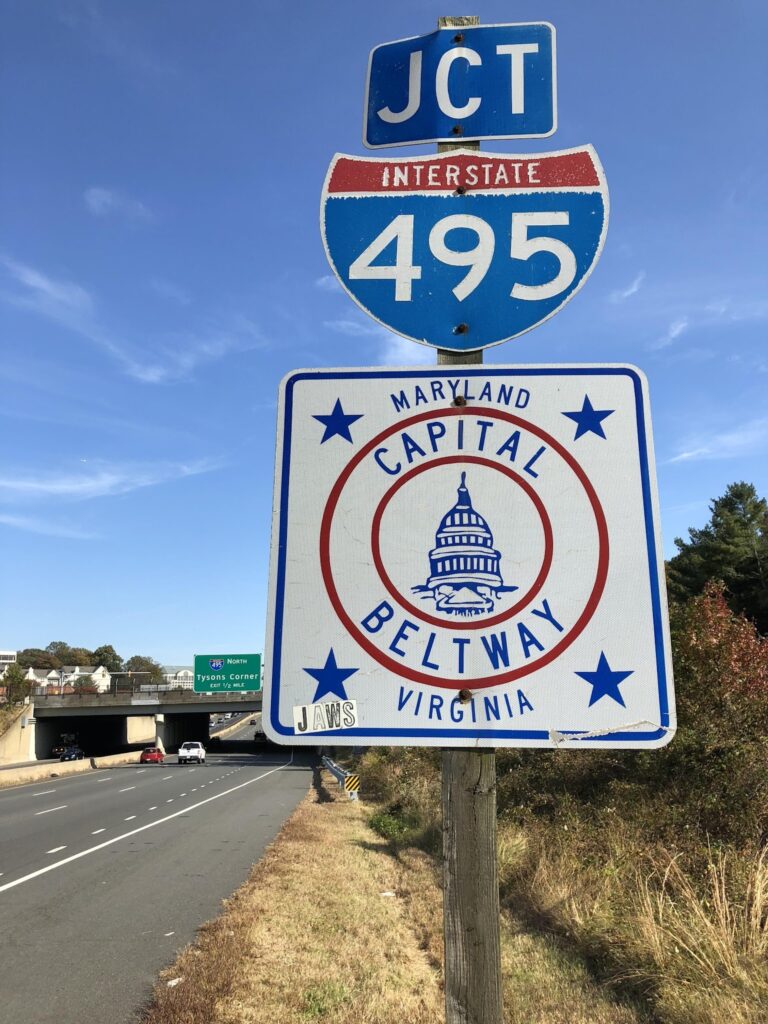
These are auxiliary Interstates connected to a parent Interstate.
The last two digits tell you the parent highway.
Examples:
- Interstate 405 belongs to I-5.
- Interstate 270 belongs to I-70.
- Interstate 495 belongs to I-95.
First digit matters
Even first digit (2, 4, 6, 8)
Usually means a loop or bypass.
Examples:
- I-495 around major cities.
- I-285 circles Atlanta.
These often reconnect with the parent Interstate.
Odd first digit (1, 3, 5, 7, 9)
Usually means a spur.
A spur branches off the main Interstate and often ends in a city center, airport, or industrial area.
Example:
- Interstate 110 branches from I-10 into downtown Los Angeles.
4. U.S. Highways (White Shields)




These are older than the Interstate system and follow similar numbering rules.
- Odd numbers = north–south
- Even numbers = east–west
Examples:
- U.S. Route 1
- U.S. Route 50
- U.S. Route 101 (a notable exception because it’s treated as a branch of U.S. Route 1 rather than fitting neatly into the numbering sequence)
Many U.S. Highways pass directly through towns, while Interstates usually bypass them.
5. State Highways
Every state has its own highway numbering system.
For example:
- Texas has State Highways and Farm-to-Market Roads.
- California has State Routes.
- Florida has State Roads.
There is no nationwide numbering rule for these.
6. Exit Numbers
Most Interstates use mile-based exit numbering.
Example:
- Exit 25 = about mile 25.
- Exit 120 = about mile 120.
- Exit 240 = about mile 240.
If you see:
- Exit 120A
- Exit 120B
Those are multiple exits at the same mile.
This makes it easy to estimate distances:
- Exit 80 to Exit 120 ≈ 40 miles (64 km).
7. HOV, Express, and Managed Lanes
Modern freeways often include special lanes:
- HOV (High Occupancy Vehicle) lanes: Reserved for vehicles with a minimum number of occupants (the required number varies by location).
- Express lanes: Faster lanes that may charge a toll.
- Managed lanes: Lanes whose rules (such as tolls or occupancy requirements) can change depending on traffic conditions.
Quick Cheat Sheet
| Highway Number | Direction |
| Odd (I-5, I-95) | North ↔ South |
| Even (I-10, I-80) | East ↔ West |
| Numbers increase west → east | Odd Interstates |
| Numbers increase south → north | Even Interstates |
| Ends in 0 | Major east–west route |
| Ends in 5 | Major north–south route |
| Three digits, even first digit | Loop or bypass |
| Three digits, odd first digit | Spur into a city |
Example: I-405
From the number alone, you can infer that:
- It is an auxiliary Interstate.
- It is connected to I-5.
- Because the first digit (4) is even, it is most likely a loop or bypass rather than a spur.
While there are multiple highways designated I-405 in different states (such as California, Oregon, and Washington), they all follow this same basic numbering logic.