South Carolina’s diverse topography seamlessly transitions from the rolling Blue Ridge Mountains in the northwest down to the sweeping Atlantic coastal plains. Because it serves as a critical connection point along the Eastern Seaboard and anchors major tourism hubs like Charleston and Myrtle Beach, the Palmetto State faces a unique set of traffic challenges.
In fact, federal traffic safety statistics frequently rank South Carolina among the deadliest states in the nation when adjusting fatalities per 100 million vehicle miles traveled.
Navigating its tight highway bottlenecks, long rural corridors, and seasonal tourist influxes demands relentless defensive driving and underscores why having a dependable roadside assistance plan is a vital precaution.
When analyzing data from the National Highway Traffic Safety Administration (NHTSA) and the South Carolina Department of Public Safety (SCDPS), several specific roads emerge as particularly hazardous due to high speeds, commercial trucking volume, and driver distraction
1. Interstate 95 (I-95): The Long-Haul Danger Zone
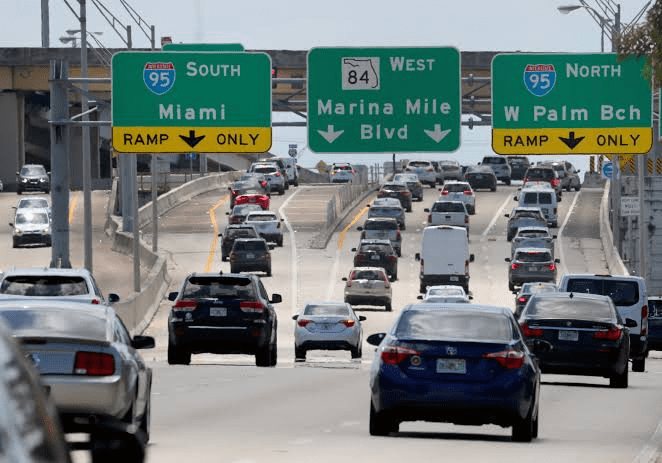
Traversing nearly 200 miles across the inland coastal plain of South Carolina, Interstate 95 is a primary artery for cross-country travelers and long-haul shipping.
- High-Speed Fatality Volume: I-95 consistently logs more fatal accidents than any other highway in the state. Because large stretches are long, flat, and rural with a 70 mph legal speed limit, driver fatigue and highway hypnosis are massive risk factors.
- Infrastructure Layout: Portions of the interstate lack continuous physical median barriers. When a driver falls asleep or becomes distracted at high speeds, the risk of a catastrophic crossover collision or a severe single-vehicle rollover escalation is incredibly high.
2. Interstate 26 (I-26): Commuter Gridlock & “Malfunction Junction”
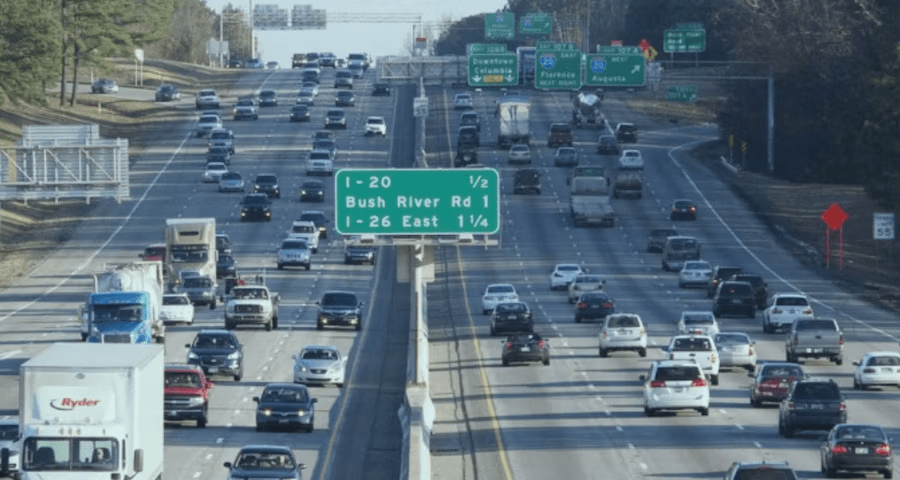
- exits experiences extreme daily commuter friction, making it a primary zone for multi-car rear-end pileups and sudden stop-and-go sideswipes.
3. U.S. Route 17 (US-17): The Beautiful but Deceptive Coastal Route
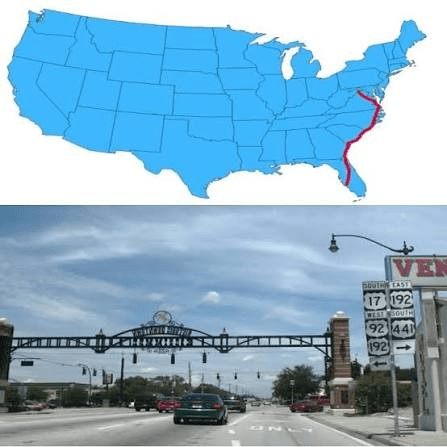
Running 221 miles directly along the coastal perimeter of the state, U.S. Route 17 provides a scenic alternative to the inland interstates, but it is ranked among the most dangerous highways in the entire country.
- The Tourist Trap Effect: Passing through major vacation destinations like Myrtle Beach, US-17 experiences massive seasonal traffic surges. The road forces an unstable mix of hurried local residents and distracted out-of-town visitors who frequently make abrupt lane changes or sudden, un-signaled stops to access coastal businesses.
- Legacy Infrastructure: Due to the historical age of the route, specific segments still function in narrow, undivided two-lane layouts, leaving drivers with almost zero margin for error when oncoming traffic weaves or sudden wildlife crossings occur.
Statistical Overview: South Carolina’s High-Risk Corridors
Data compiled from federal and state crash metrics highlights how structural design, regional density, and seasonal tourism shape the risk profiles of the state’s main corridors.
| Highway Corridor | Highest-Risk Geographic Focus | Primary Contributing Hazards |
| I-95 | Beaufort, Colleton, & Florence Counties | Long-haul truck volume, driver fatigue, high speeds |
| I-26 | Lexington/Richland (Columbia) & Charleston | Dense commuter gridlock, aggressive tailgating, tight merges |
| U.S. 17 | Horry (Myrtle Beach) & Charleston Counties | Tourist distraction, narrow lanes, sudden turning conflicts |
| SC-9 | Horry, Chester, & Spartanburg Counties | Longest state highway, lack of dividers, rural intersections |
| U.S. 501 | Horry County (Gateway to the Grand Strand) | Extreme seasonal tourist surges, sudden bottlenecking |
compiled from federal and state crash metrics highlights how structural design, regional density, and seasonal tourism shape the risk profiles of the state’s main corridors
4. South Carolina Highway 9 (SC-9): The Deadliest Intrastate Route
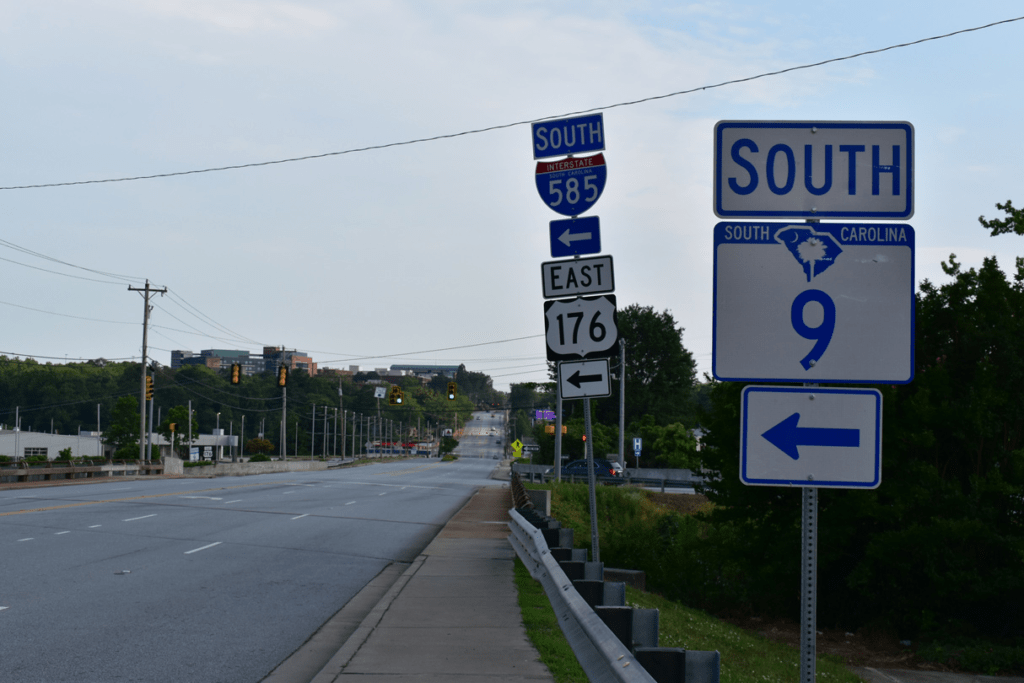
Spanning 258 miles from the North Carolina border in the mountains down to Cherry Grove Beach, SC-9 holds the distinction of being the longest state highway located entirely within South Carolina boundaries.
Because it functions predominantly as a rural arterial road rather than a controlled expressway, it witnesses more fatal collisions than any other state-numbered route.
High speed limits combined with at-grade local intersections, hidden driveways, and a complete lack of physical lane dividers create an exceptionally high rate of devastating head-on impacts.
5. U.S. Route 501: The Grand Strand Pressure Cooker
U.S. Route 501 serves as the primary terrestrial pipeline bringing travelers off the main interstates directly into the heart of Myrtle Beach.
During spring break and peak summer vacation seasons, this corridor transforms into a high-density bottleneck. The sudden intersection configurations, most notably the high-volume crossing at S.C.
Highway 31 experiences a continuous stream of rear-end collisions and angle crashes as drivers transition quickly from rural expressway speeds to congested, municipal stop-and-go gridlock.
For a quick summary of the visual breakdown regarding these high-risk areas, check out this short clip on South Carolina’s Deadliest Road. This video offers a localized perspective on why the state’s interstate systems demand heightened driver awareness.
Stay Prepared on South Carolina’s Most Dangerous Roads with DriveSafe Solutions
Driving through South Carolina’s busiest highways and rural backroads can be unpredictable, especially for first-time drivers or visitors.
Vehicle breakdowns and roadside emergencies can happen when you least expect them. Instead of searching for roadside assistance near me during a stressful situation, keep DriveSafe Solutions just a phone call away.
DriveSafe Solutions provides affordable roadside assistance throughout South Carolina and across the United States. Our experienced professionals are available 24/7 to deliver emergency towing, mobile mechanic services, tire repair services, wrecker services, winch out services, jump starts, lockout assistance, and roadside recovery whenever you need help.
Whether you’re commuting through Columbia, traveling along I-26, I-85, or I-95, or exploring South Carolina’s scenic coastal highways, you can count on fast, dependable service from a trusted roadside assistance provider.
Save our toll-free number, +1 (866) 890-7355, before your next trip and enjoy greater peace of mind every mile of the journey. One call connects you with the reliable roadside assistance professionals at DriveSafe Solutions, ready to get you back on the road safely, quickly, and at an affordable price.