Your car has been towed, and you have no idea why. You don’t even know where or how to start the recovery process. Knowing precisely what to do when your car gets towed under various circumstances is crucial for a swift resolution.
This guide provides essential roadside tips to help you navigate the process of retrieving your vehicle efficiently, minimizing stress and unexpected fees.
Reasons a Car Can Be Towed
Understanding why your vehicle was towed is the first step toward retrieving it. Many reasons can lead to a tow truck taking your car, often due to violations of local ordinances or parking regulations.
Identifying the specific cause will help you understand the necessary procedures and associated fees for getting your car back from the impound lot.
Illegal Parking
One of the most common reasons a car is towed is illegal parking. This includes parking in a no-parking zone, blocking a fire hydrant, or obstructing a crosswalk.
If your car was parked illegally, local authorities or private tow companies have the authorization to take your car to an impound lot. You might also receive a citation in addition to towing and storage fees.
Expired Registration
Operating a vehicle with an expired registration is a serious offense that can lead to your car being towed. Law enforcement can dispatch a tow truck to remove the vehicle from public roads or even private property if the registration has lapsed for a significant period. To retrieve your vehicle, you will likely need to update your DMV registration and pay a storage fee.
Blocked Access
A car is frequently towed when it blocks access to driveways, loading docks, or emergency routes. Property owners or management often have the right to request the removal of a vehicle that impedes essential access.
This kind of tow often happens quickly, and the vehicle owner will be responsible for all costs associated with getting their car back from the tow yard.
Public Safety Violations
Vehicles posing a public safety hazard, such as those involved in an accident and left unattended, or parked in a dangerous manner, can be towed.
The police department or sheriff’s office will often call a tow truck to ensure the area is safe. These situations prioritize public well-being, and fees for the towed vehicle can accumulate rapidly, including storage costs.
Abandoned Vehicle
A car is considered an abandoned vehicle if it has been left stationary on public property for an extended period, often exceeding 72 hours, without being moved.
Local ordinances usually dictate the exact timeframe before authorities can tow your car. Once the vehicle has been towed, owners must pay all outstanding fees, including storage fees, to retrieve their vehicle.
What to Do When Your Car Gets Towed
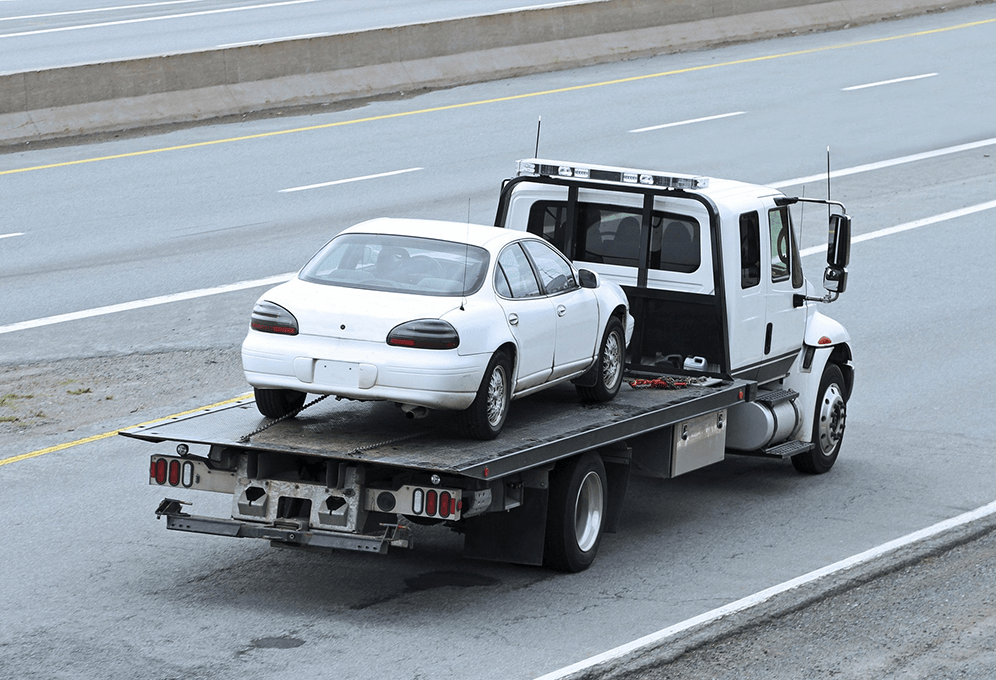
Discovering your car has been towed can be a stressful event, but knowing the correct steps to take can significantly ease the process of retrieval.
It is important to act quickly to avoid accumulating additional storage fees and to understand the specific procedures required by the towing company and local authorities. Following these steps will help you efficiently get your car back.
First, Contact the Tow Company
The very first step when your car gets towed is to contact the police department or sheriff’s office to ascertain which tow company has your vehicle. They can confirm if your car was indeed towed and provide the name and contact information of the company responsible.
This initial contact is crucial as it prevents wasted time and ensures you are dealing with the correct authorities regarding your towed vehicle.
Locating Your Towed Vehicle
Once you have identified the tow company, the next step is to locate your towed vehicle. The tow company will provide you with the address of their impound lot where your car is being held.
It’s advisable to confirm their operating hours to ensure someone will be available to assist you when you arrive to retrieve your vehicle. Visiting the impound lot promptly helps to mitigate escalating storage costs.
Towing Fees
Before heading to the impound lot, it is wise to inquire about the exact towing fees. Tow companies cannot charge exorbitant amounts; there are often regulations governing the maximum they can demand.
Understanding these fees upfront, including the initial tow fee and any daily storage fee, will prepare you for the financial aspect of getting your car back. Always ask for a detailed receipt upon payment.
Gather Necessary Documentation
To successfully retrieve your car, you will need to present specific documentation. This typically includes your driver’s license, vehicle registration, and proof of insurance.
If the vehicle was towed from private property, you might also need proof of ownership, such as the title. Having these documents ready will expedite the vehicle release process at the impound lot.
Arrange for Vehicle Release
Once you have the necessary documentation and are aware of the fees, you can arrange for vehicle release. This involves going to the impound lot, presenting your identification and vehicle documents, and paying all outstanding fees.
If your car was towed illegally, you might also need to attend a tow hearing. If you find your car has been towed due to a mechanical issue, remember that DriveSafe Solutions offers mobile mechanic services that can come to you, even at the impound lot, to assess and fix minor issues, potentially saving you another tow.
How Much Is It to Get Your Car Back If It’s Been Towed?
The cost of getting your car back after it has been towed can vary significantly depending on several factors. It is essential to understand these variables to avoid surprises and to prepare adequately for the expenses involved.
Being informed about potential costs can help you navigate the process more smoothly and budget accordingly.
Why Towing Fees Will Vary
Numerous factors influence the total cost of retrieving your car. These include the distance your vehicle was towed, the type of tow truck used (e.g., flatbed for a specialized vehicle), and the reason the car was towed (e.g., illegal parking, accident).
Some areas also have higher base rates for tow services. A citation from the police department for parking tickets or other infractions will also add to your overall expenses, separate from the tow company fees.
Storage Fees Overview
In addition to the initial tow fee, storage fees are a significant component of the total cost. Most tow companies charge a daily storage fee for each day your vehicle remains at their impound lot. These fees can accrue rapidly, making prompt retrieval paramount.
Some jurisdictions may have limits on how much a tow company can charge for storage, especially if your car was parked on a public street. For instance, if your car is impounded for 30 days, these fees can become substantial.
Payment Methods and Options
Most tow companies accept various payment methods, including cash and major credit cards. It is always best to confirm accepted payment types before you go to the impound lot.
Some companies may not accept personal checks. If you find yourself in a bind and your car was towed due to a flat tire, remember that DriveSafe Solutions also provides tire repair services, which could prevent future towing incidents.
Navigating the Towing Process
So, what should you do if you find yourself in a position where your car is towed? From our years of experience responding to roadside emergencies, here are a few tips that might help.
File a Complaint with the Police Department
If you believe your car was towed illegally or that you were unfairly charged, you have the right to file a complaint with the police department. This process typically involves explaining the circumstances of why your car was towed and providing any relevant documentation or evidence you possess.
The police department can investigate the legitimacy of the tow and ensure that tow companies adhered to all regulations, potentially leading to a refund of your towing and storage fees.
Know Your Rights
It is critical to understand your rights when your car gets towed. You are entitled to certain protections under local and state laws regarding towing practices, especially if your car was parked on a public street or towed from private property without proper signage.
Knowing these rights can empower you to challenge excessive fees or an unlawful tow, helping you retrieve your vehicle without undue financial burden. Always request a detailed receipt for all services.
Attending a Tow Hearing
Should you dispute the legality of your car being towed or the amount of the fee charged, you may need to attend a tow hearing.
This hearing provides an opportunity to present your case to a neutral party, often a judge or an administrative officer, who will review the evidence from both you and the tow companies.
Successfully arguing your case at a tow hearing could result in the invalidation of the tow or a reduction in the charges, helping you to retrieve your vehicle.
Ask DriveSafe for Professional Assistance for Towed Vehicles
Wrecker Services
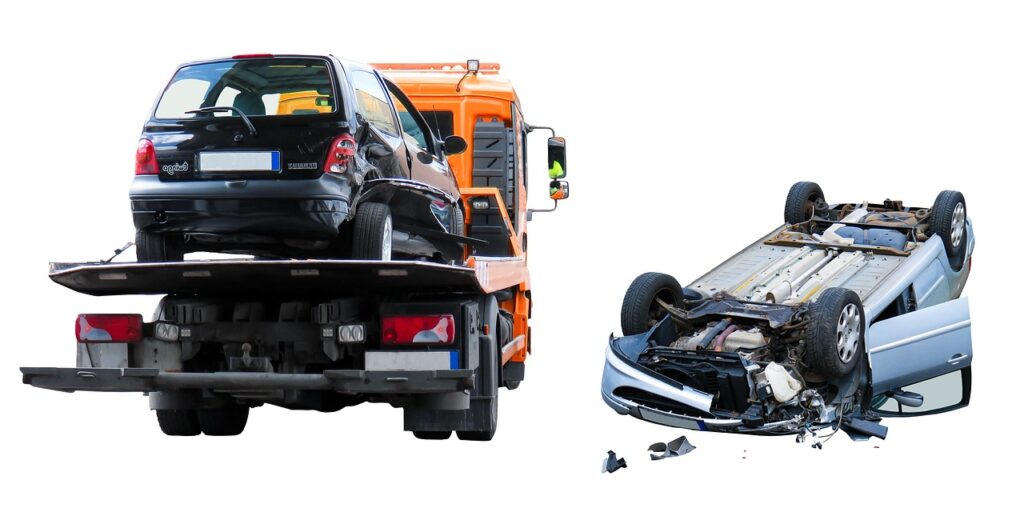
If your vehicle has been towed due to an accident or a severe breakdown, DriveSafe Solutions’ wrecker services can provide professional assistance.
We can dispatch a tow truck to transport your vehicle from the scene to a repair shop or your preferred location, ensuring safe and efficient handling.
Our team is equipped to manage various roadside scenarios, providing peace of mind during stressful situations where your car is towed or otherwise incapacitated.
Mobile Mechanic Services
Imagine your car gets towed because of a minor mechanical issue that leaves it inoperable. DriveSafe Solutions offers mobile mechanic services that can come directly to you, even at an impound lot or a roadside location.
Our skilled mechanics can diagnose and fix many common problems on-site, potentially saving you from incurring additional towing and storage fees by getting your car running again without the need for another tow.
Who to Call for Help
When your car is towed, or you face any roadside emergency, knowing who to call for help is paramount. DriveSafe Solutions has 24/7 reliable roadside assistance services for a wide range of issues beyond just a car towed scenario, including winch-out services if your car is stuck, tire repair services, and mobile mechanic services.
Finding your car towed can be a challenging ordeal, but with DriveSafe Solutions, you have an affordable roadside assistance partner ready to help.
Whether you need wrecker services, mobile mechanic support, or simply reliable advice, our team is standing by. Don’t let a towed vehicle or a roadside breakdown ruin your day.
Call DriveSafe Solutions today at +1 (866) 890-7355 for prompt, professional, and friendly service to get your car back on the road.