A roadside emergency in the dead of night can happen to even the most experienced or the most careful drivers. This experience often leaves most drivers feeling vulnerable and unsure of what steps to take.
Statistics reveal that a significant percentage of roadside incidents requiring a tow occur after dark, emphasizing the critical need for drivers to be well-versed in safety precautions and the process of engaging a professional towing service.
In this article, we give you some essential tips that can come in handy when you find yourself in a nighttime car emergency that requires a tow truck.
Do Towing Companies Operate at Night?
It is a common misconception that most towing companies only operate during standard business hours. The reality is quite the opposite, as the demand for assistance does not adhere to a 9-to-5 schedule.
Many professional towing companies, including DriveSafe Solutions, offer 24/7 emergency roadside assistance services, precisely because breakdowns and accidents can happen at any hour, including the middle of the night.
These dedicated tow companies are equipped and staffed to dispatch a tow truck operator promptly, regardless of when a call for help comes in, demonstrating their commitment to assisting stranded motorists around the clock.
Limitations of Nighttime Towing
Although many tow companies offer 24/7 service, there can be certain limitations to consider when requesting a tow in the middle of the night.
Factors such as reduced visibility for the tow truck driver, increased traffic hazards, and the availability of specific equipment might affect response times or the complexity of the tow.
It is also possible that some specialized services, such as accessing a vehicle from a complex private property location, might be slightly more challenging or require additional coordination with a tow operator or law enforcement agency during off-peak hours.
Reasons a Car May Need Towing
A vehicle can require a tow for numerous reasons, often unexpectedly, underscoring the importance of knowing who to call. Understanding common breakdowns can help you describe your situation accurately to a tow truck company.
Engine Failure: When Your Car Just Won’t Start
Engine failure is a critical and frustrating reason to need a tow, often leaving you stranded with a vehicle that simply won’t start or operate.
This serious issue requires professional attention, as it typically involves complex mechanical problems beyond a quick roadside fix.
When your engine gives out, the best course of action is to contact a reputable towing service to safely transport your vehicle to a repair shop or a trusted mobile mechanic service for thorough diagnosis and repair.
Flat Tire: Recognizing the Signs
A flat tire is a common occurrence that can quickly leave a driver in need of roadside assistance, especially if they lack a spare or the tools to change it.
Recognizing the signs, such as a sudden thud, difficulty steering, or visible deflation, is crucial for your safety. While some flats can be temporarily fixed with a tire repair service, severe damage often necessitates a tow to a service center for proper replacement, preventing further damage to your wheels or vehicle.
Accidents: What Happens When You’re Stranded?
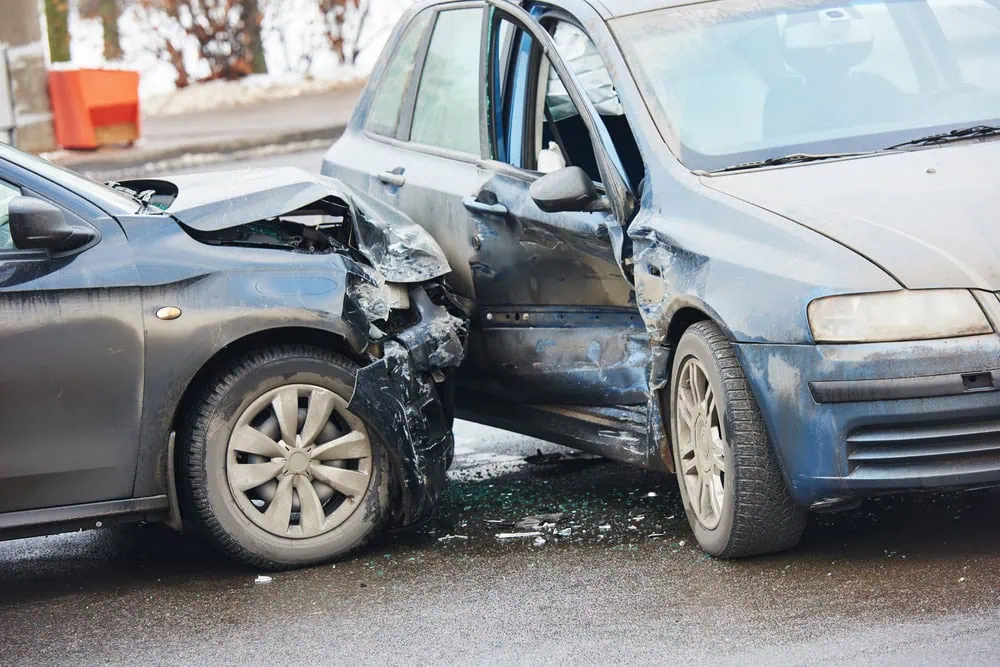
Accidents, even minor ones, frequently result in vehicles needing a tow, particularly if they are no longer safe or operable to drive.
After ensuring everyone’s safety and contacting a law enforcement agency, arranging for a tow truck service is often the next step.
A professional tow truck operator can safely remove your damaged vehicle from the scene, whether it needs to go to a repair shop, a storage facility, or even a wrecker service for more severe damage.
Out of Gas: The Importance of Fuel Management
Running out of gas is a surprisingly common reason for needing roadside assistance, often occurring due to misjudging fuel levels or overlooking a nearly empty tank. While not a mechanical breakdown, it can leave you just as stranded as an engine failure.
A tow truck company can deliver fuel directly to your location, or if you prefer, a tow operator can transport your vehicle to the nearest gas station, highlighting the importance of diligent fuel management to avoid this preventable predicament.
Electrical Issues: When Your Battery Dies
Electrical issues, particularly a dead battery, are a frequent cause for needing a tow or at least a jump-start, especially in extreme weather conditions.
Modern vehicles rely heavily on complex electrical systems, and a failing alternator or battery can immobilize your car entirely.
While a simple jump-start can often resolve a dead battery, persistent electrical problems might require a tow to a mechanic who can diagnose and repair underlying issues, preventing future breakdowns and ensuring your vehicle’s reliability.
What Drivers Should Do Before Calling a Tow Truck
Navigating a roadside emergency in the middle of the night requires calm and decisive action, particularly before you make that critical call for a tow. Taking a few preparatory steps can significantly streamline the process and ensure your safety.
Assess Your Safety: Finding a Safe Location
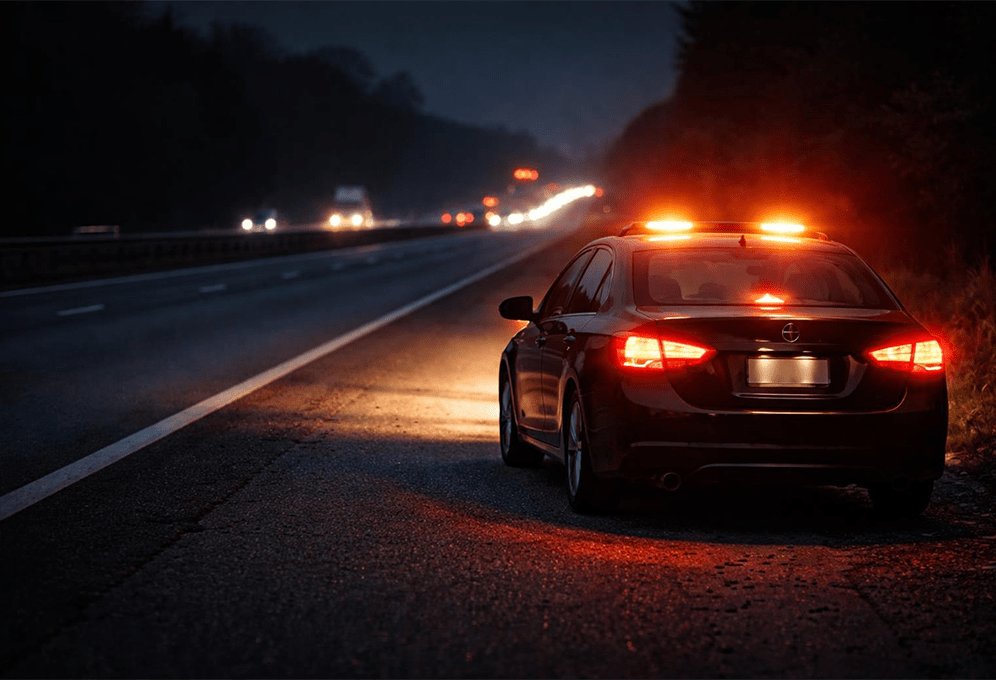
Your immediate priority should always be safety, especially when stranded in a hazardous situation during the night. If your vehicle breaks down, try to park it as far off the road as possible, utilizing the shoulder or a nearby parking lot.
Turn on your hazard lights to alert other drivers, and if it’s safe to do so, exit your vehicle and wait in a secure location away from traffic.
This initial assessment of your surroundings is crucial before you even think about requesting a tow, as it minimizes risk for both you and the incoming tow truck operator.
Gather Necessary Information: Vehicle and Location Details
Before contacting a tow company, have all pertinent details at hand to ensure a swift and accurate response. This includes your exact location, preferably with a cross street or mile marker, a clear description of your vehicle (make, model, color), and the nature of the breakdown.
Providing precise information about where your car is located, whether it’s on a main road or private property, will help the tow truck driver locate you quickly and efficiently, reducing delays in dispatching roadside assistance to your position.
Determine the Type of Tow Needed: Standard vs. Flatbed
Understand the different types of vehicle towing available and communicate your needs effectively to the tow truck service. A standard tow truck, often referred to as a wrecker, lifts two wheels off the ground, suitable for many vehicles.
However, if you have an all-wheel-drive vehicle, a luxury car, or one that cannot roll freely, you will need a flatbed tow truck.
Clarifying this with the tow truck company beforehand can prevent the wrong equipment from being dispatched, saving valuable time in the middle of the night.
Check Your Coverage: Understanding Your Insurance
Before you authorize any services, it is highly advisable to check your insurance policy or membership with a roadside assistance provider like AAA.
Many policies include provisions for vehicle towing, covering a certain distance or a portion of the towing fee. Knowing your coverage details, including any potential storage fee implications or the maximum amount your plan will pay for a tow, will help you understand the estimated cost and avoid unexpected expenses associated with retrieving your car.
Contact a Reliable Towing Service
Once you have assessed your safety, gathered your information, and determined the type of tow, the next critical step is to contact a reliable towing service.
Look for a tow truck company with a strong reputation for 24-hour service, like DriveSafe Solutions, which offers comprehensive roadside assistance.
Be prepared to provide all the details you’ve collected, and don’t hesitate to ask questions about the estimated time of arrival, the towing fee schedule, and any other concerns you may have about your car being towed.
What to Do to Ensure a Quick Response from a Towing Company
A rapid response from a tow truck company can make a stressful situation much more manageable, especially during nighttime hours. Your proactive communication and preparation play a significant role in expediting the arrival of a tow operator.
Provide Clear Location Details
The clearer you are about your exact location, the faster a tow truck driver can reach you. Beyond just a street name, try to provide specific landmarks, cross streets, mile markers, or even GPS coordinates if possible.
Mentioning if you are on private property, a highway, or a less accessible road helps the dispatch team accurately guide the tow operator. Precision in your location details minimizes the time the tow truck spends searching, getting help to you promptly.
Specify the Nature of the Issue
When speaking with the tow company, clearly articulate why you need a tow. Is it an engine breakdown, a flat tire, an accident, or something else?
Explaining the nature of the issue allows the tow truck company to dispatch the most appropriate equipment and tow operator, whether it’s a standard tow truck or a specialized flatbed for a more complex vehicle towing scenario. This specificity can prevent delays and ensure the right help is sent the first time.
Be Ready to Answer Questions from the Tow Truck Driver
The tow truck operator or dispatch may have follow-up questions to ensure they are fully prepared for your situation. Be ready to provide additional information about your vehicle, its condition, and any specific concerns you have.
This could include details about your vehicle’s make and model, whether it’s stuck in a ditch (requiring winch-out services), or if it’s currently involved with a law enforcement agency. Your cooperation and readiness to answer questions facilitate a smoother and quicker response.
Understand the Estimated Cost for Nighttime Towing
It’s important to discuss and understand the estimated towing fee before the tow truck arrives. Nighttime towing can sometimes incur higher charges due to off-business hours, so clarify the towing and storage costs upfront.
Ask about any potential drop fee, the cost per mile, and any additional charges for specialized services or if your car needs to be retrieved from a particularly challenging spot. This transparency helps you avoid surprises and ensures you are comfortable with the service provided.
Prepare for the Arrival of the Tow Truck
Once you’ve made the call and received an estimated time of arrival, prepare for the tow truck’s arrival. If it’s safe, ensure your hazard lights are still on and be visible to the tow truck driver.
Have your identification, vehicle registration, and insurance information readily accessible. If you need to retrieve your car from a storage facility later, ensure you understand the procedures and potential storage fee.
Being prepared for their arrival allows the tow operator to begin the vehicle towing process without delay.
Choosing the Right Towing Service for Night Emergencies
When faced with a vehicle breakdown in the middle of the night, selecting the right towing service is paramount for both your safety and the proper handling of your vehicle.
It is crucial to choose a reputable tow truck company that not only offers 24-hour roadside assistance but also has the necessary equipment and experienced tow truck operators to handle your specific situation, whether it’s a standard tow or requires specialized vehicle towing.
A reliable towing service will provide transparent information regarding their towing fee schedule and ensure a professional, timely response.
DriveSafe Solutions Offers 24-Hour Towing Services for Your Emergencies
DriveSafe Solutions understands that roadside emergencies don’t adhere to business hours, which is why we proudly offer comprehensive 24-hour towing services designed to address any breakdown, no matter the time.
Our dedicated team of professional tow truck operators is equipped with a versatile fleet of tow trucks, ready to respond to your call quickly and efficiently, whether you’re dealing with an accident, a mechanical breakdown, or simply need to retrieve your car from a hazardous location.
You can rely on us for prompt and affordable roadside assistance, giving you peace of mind when you need it most.
Flatbed Towing: Safeguarding Your Vehicle
For many modern and luxury vehicles, or those with all-wheel drive, flatbed towing is the safest and most recommended method of transport. A flatbed tow truck elevates the entire vehicle off the ground, preventing any wear and tear on the drivetrain and suspension during transit.
This method is crucial for safeguarding your vehicle from potential damage that might occur with a standard tow, providing peace of mind to the vehicle owner that their car is being towed with the utmost care, regardless of the time of a.m. or p.m.
Heavy-Duty Towing: For Larger Vehicles
Heavy-duty towing services are specifically designed for larger vehicles that exceed the capacity of standard tow trucks, such as commercial trucks, buses, or large RVs. These specialized tow companies utilize robust tow trucks and equipment capable of handling the substantial weight and dimensions of such vehicles.
When you need to tow a heavy vehicle, ensuring you call a tow truck company with heavy-duty capabilities is essential to prevent further damage and to ensure the vehicle towing process is completed safely and efficiently, even in the middle of the night.
RV Towing: Special Considerations for Recreational Vehicles
Recreational vehicles (RVs) present unique challenges for vehicle towing due to their size, weight, and sometimes intricate designs. RV towing requires specialized equipment and experienced tow truck operators who understand the nuances of securing and transporting these substantial vehicles without causing damage.
When your RV needs to get towed, it’s vital to engage a towing service that has specific experience and the right tow operator to handle an RV breakdown, guaranteeing safe transport to a repair facility or a desired storage facility.
Long-Distance Towing: When You Need to Get Far
There are instances when a breakdown occurs far from your home, a trusted mechanic, or your preferred repair shop, necessitating long-distance towing. DriveSafe Solutions provides reliable long-distance vehicle towing services, ensuring your car is transported safely across significant distances.
Our tow truck operators plan the route meticulously and take all precautions to make sure your vehicle reaches its destination without incident.
This service is invaluable for those who need to retrieve their car from a breakdown location far away or move it to a different jurisdiction.
Frequently Asked Questions (FAQs)
What Are the Costs Involved in Night Towing?
Towing a vehicle at night typically costs between $125 and $375 for a standard 5 to 10-mile tow. These prices are largely driven by the specific after-hours surcharges that most towing companies apply.
The costs associated with night towing can vary depending on several factors, including the distance your car needs to get towed, the type of tow truck required (e.g., flatbed vs. standard), the complexity of the retrieval (such as winch out services), and the specific towing fee schedule of the tow company. It’s thus best to inquire about the estimated towing fee and any potential storage fee when you first contact the tow truck company.
How Long Should I Expect to Wait for a Tow Truck?
On average, you might expect to wait anywhere from 30 minutes to an hour, though this can be longer in remote areas or during peak breakdown periods. Always ask the tow truck company for an estimated time of arrival (ETA) when you make your request for a tow. The waiting time for a tow truck can depend on various factors, including your exact location, the current demand for roadside assistance, traffic conditions, and the availability of tow truck operators in the middle of the night.
Can I Request a Specific Tow Truck Driver?
While most tow companies dispatch the nearest available tow truck operator to ensure a quick response, some larger towing services might accommodate requests for a specific tow truck driver if they are available and on shift. However, during an emergency in the middle of the night, priority is usually given to dispatching the quickest available professional to provide roadside assistance. It is always worth asking the tow company if you have a preference, but understand that it might not always be possible to fulfill the request.
What if My Car Is Being Towed Without My Consent?
If your car is being towed without your consent, especially from private property, it’s crucial to act quickly. First, contact the property owner or management to understand why your car was towed. Then, reach out to local law enforcement or the police department; they often have a record of vehicles towed within their jurisdiction and can provide the telephone number of the tow truck company. This notification is essential to find out where your car is being towed and to avoid unnecessary storage fee charges.
How Do I File a Complaint About Towing Services?
If you have a complaint about a towing service, whether it involves an unauthorized tow, excessive towing fees, or unprofessional conduct by a tow truck operator, you can take several steps. First, try to resolve the issue directly with the tow truck company. If that is unsuccessful, you can contact your state’s consumer protection agency, the Better Business Bureau, or even your local law enforcement agency if you believe there was illegal activity. Gather all documentation, including receipts, photographs, and the company’s telephone number, to support your filing a complaint.
At DriveSafe Solutions, we are dedicated to providing prompt, professional, and affordable roadside assistance whenever you face an unexpected breakdown. Need a simple tire repair, a complex wrecker service, or emergency mobile mechanic services? Our experienced team is ready 24/7 to assist.
Don’t let a breakdown leave you stranded and stressed. For reliable vehicle towing and comprehensive roadside support, call DriveSafe Solutions at +1 (866) 890-7355. We’re here to get you back on the road safely and efficiently.