We Picked The Best Performing Tire Brands For Warm Weather in 2026
A summer tire is specifically engineered to provide maximum performance in warm weather conditions, typically when temperatures are consistently above 45°F (7°C). So, which one should you go for in the current market?
Unlike all-season or winter tires, summer tires use a specialized rubber compound and tread pattern designed to maximize grip on both dry and wet pavement. They are commonly found on sports cars, performance sedans, and high-performance SUVs.
The summer tire market has seen some fascinating shifts. The big story is the shakeup in the Ultra-High Performance (UHP) and Max Performance tiers, where longtime benchmarks are facing serious, cutting-edge competition.
To help you find the right rubber, the top summer tires are broken down by category, based on the latest 2026 industry testing from sources like Tire Reviews, ADAC, and Auto Bild.
Buy Original Summer Tires From DriveSafe
Get brand new and used tires delivered to you wherever you are.
Best for: Sports cars, performance sedans, and drivers prioritizing maximum dry/wet grip and sharp steering.
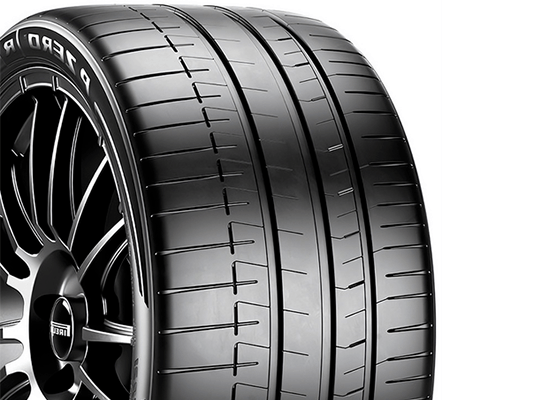
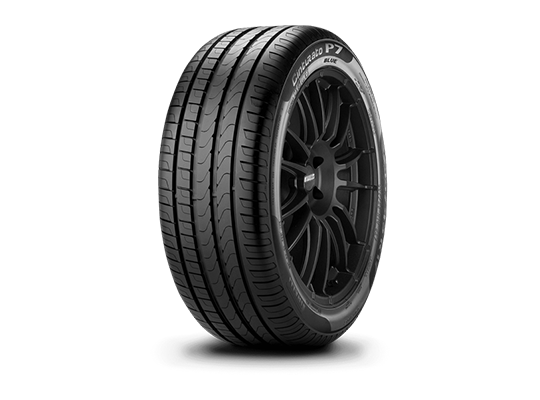
A Pirelli P Zero R Tire Courtesy of Pirelli
Pirelli P Zero R
The breakout star of the performance category. In recent head-to-head testing against track-focused rubber, the P Zero R did the near-impossible: it delivered dry grip that rivaled dedicated track tires while completely dominating the field in wet handling and wet braking. It has effectively eliminated the traditional compromise between wet safety and dry performance.
Pros: Class-leading wet and dry grip, incredible steering response, zero performance compromises.
Cons: Premium price tag; tread life runs shorter than some touring alternatives.
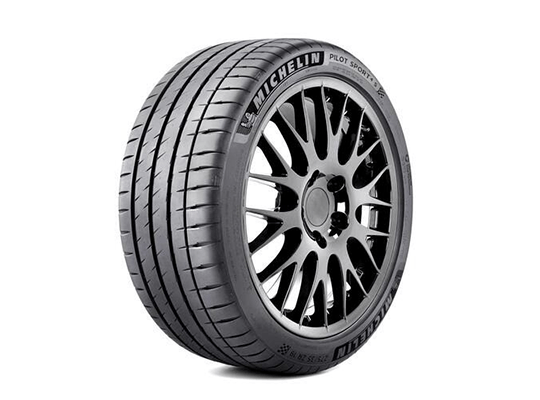
A Michelin Pilot Sport 4S Tire Courtesy of Walmart Tires
Michelin Pilot Sport 4S / Pilot Sport 5
The Pilot Sport 4S remains the gold standard for daily-driven performance. While newer tires edge it out in extreme track testing, its real-world blend of tread life, comfort, wet safety, and predictable handling keeps it at the top of most enthusiast lists. For a slightly more road-comfort-oriented street tire, the Pilot Sport 5 brings motorsport tech down to a highly refined daily driver level.
Pros: Legendary tread longevity for a performance tire, stellar comfort, predictable limit-handling.
Cons: Expensive; steering response feels a bit softer off-center compared to the Pirelli or Bridgestone.
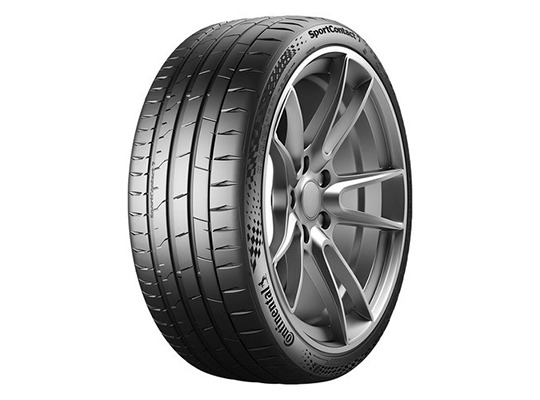
A Continental SportContact 7 Tire Courtesy of Walmart Tires
Continental SportContact 7
If you value outright high-speed stability and razor-sharp precision, the SportContact 7 is a weapon. It uses Continental’s Black Chili compound to deliver incredible dry braking and mechanical grip. It also boasts exceptionally low rolling resistance for a Max Performance tire, meaning you won’t suffer a massive fuel economy or EV range penalty.
Pros: Blistering dry handling pace, short stopping distances, great energy efficiency.
Cons: Ride comfort can lean toward the firmer, harsher side on rough pavement.
Best for: Daily drivers, luxury sedans, and EVs where wet safety, low noise, and high mileage matter most.
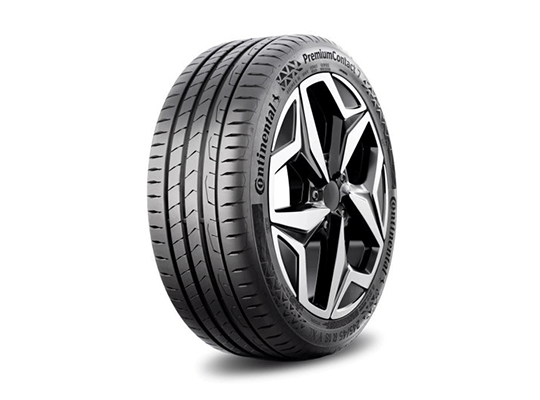
A Continental PremiumContact 7 Tire Courtesy of Continental Tires
Continental PremiumContact 7
The most dominant touring summer tire on the market. It swept the highly influential European consumer tests (like ADAC) due to its incredible consistency. It doesn’t just win one category; it scores near the top in wet braking, dry handling, rolling resistance, and cabin noise.
Pros: Outstanding wet-weather safety margins, plush ride quality, incredibly balanced across all testing criteria.
Cons: Slightly relaxed steering feel if you are looking for an aggressive, sporty response.
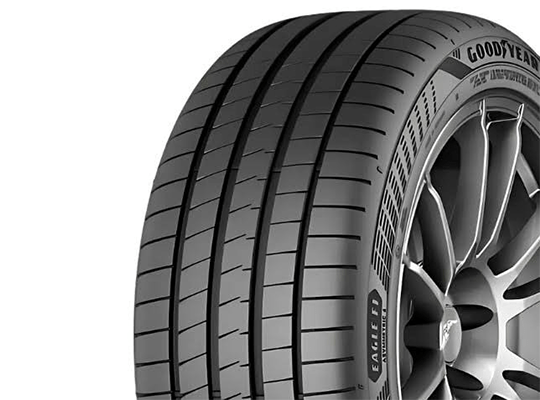
A Goodyear Eagle F1 Asymmetric 6 Tire Courtesy of Pirelli Tires
Goodyear Eagle F1 Asymmetric 6
The “smart money” pick if you want performance that lasts. While it rarely takes the number-one spot in single-lap track times, it consistently lands on the podium because it refuses to wear out. It features remarkably low wear rates, making it highly cost-effective over its lifespan.
Pros: Exceptional tread life, excellent balance of sporty handling and everyday civil comfort.
Cons: Doesn’t heavily dominate any single performance category.
Summer tires use specialized rubber compounds that harden and lose traction when temperatures drop below 45°F (7°C).
If you live in an area with freezing winters, you will need a dedicated set of winter or cold-weather all-season tires to swap into when the season changes.